HONEST FILM CO x BLUE ALLIANCE
FILM COLLABORATION UPDATE
❋
FILM 1 | HAJI
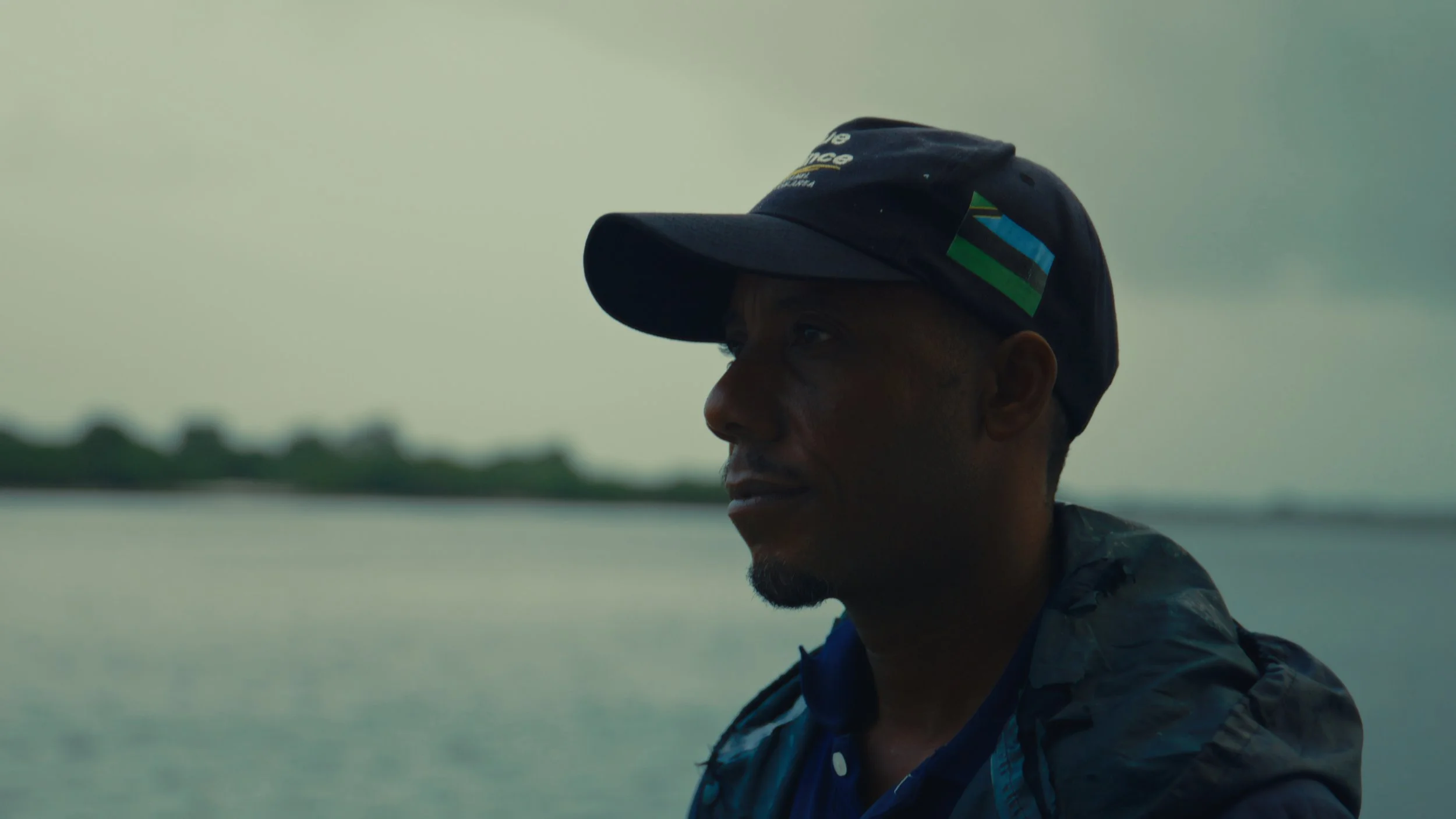
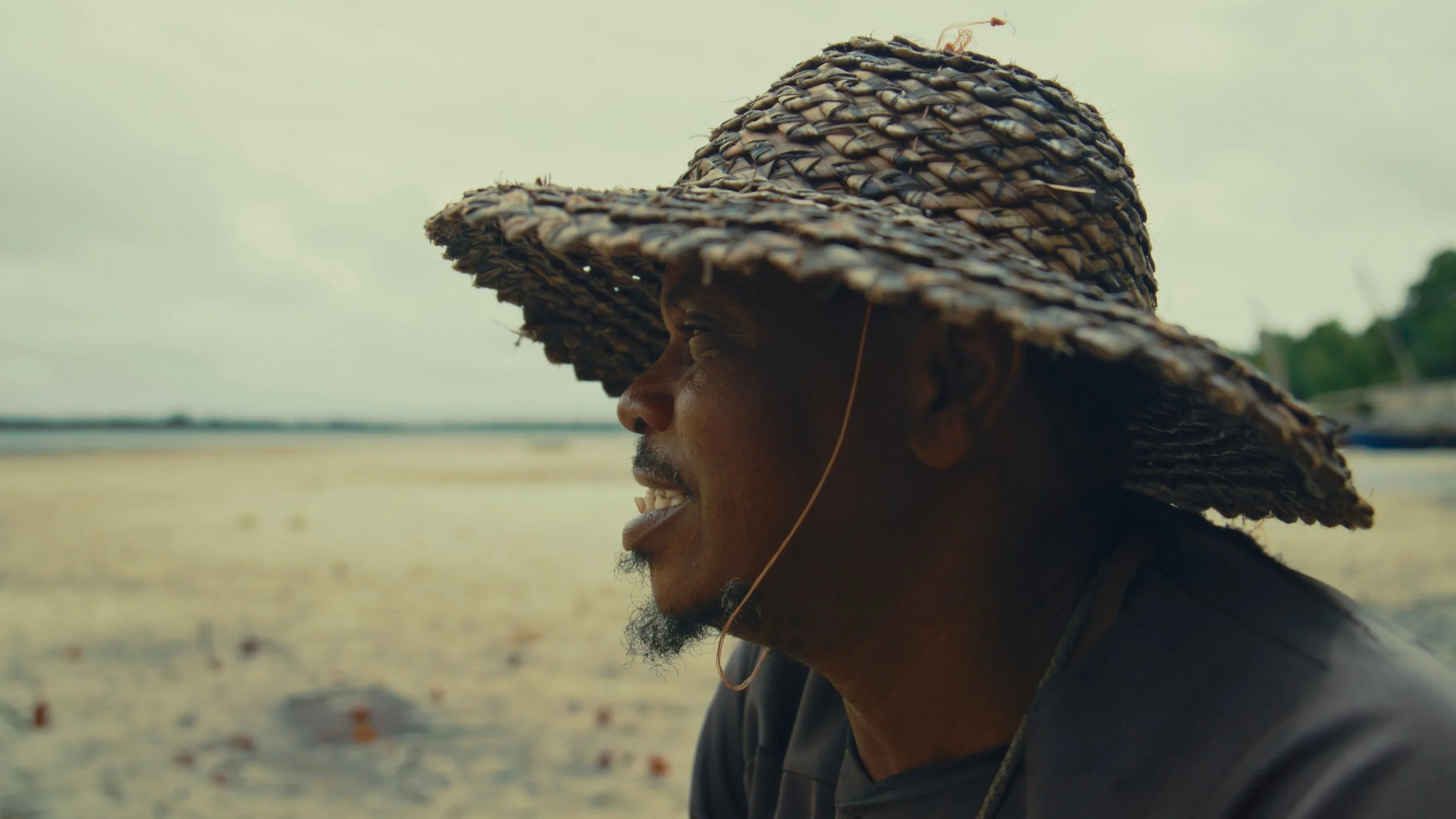
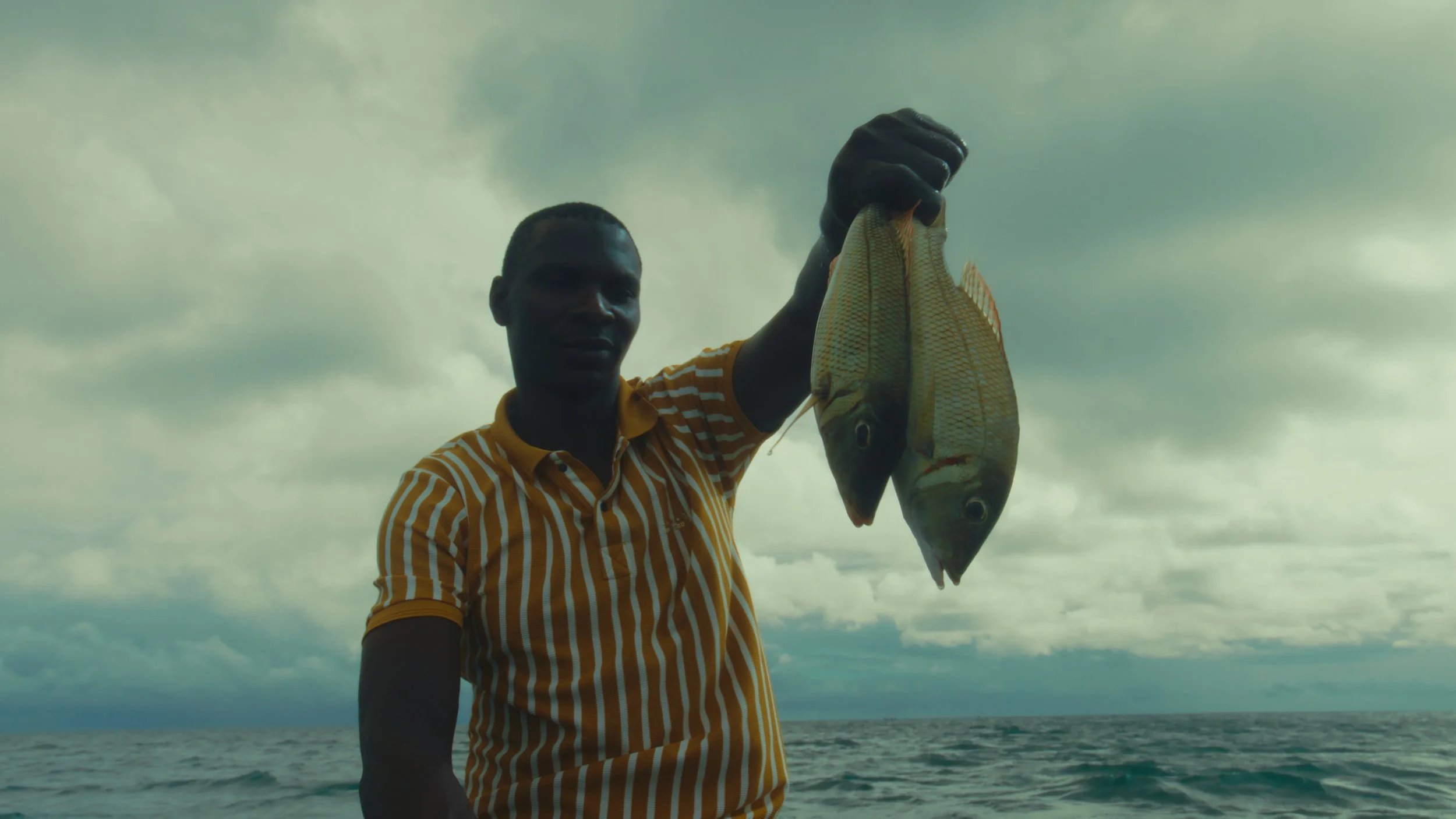
Haji Ali Juma grew up fishing the Pemba Channel. He read the ocean by instinct, the way his father taught him, the way his grandfather had before that. The sea gave his family everything. Then the fish started disappearing.
This film follows the journey of one man who chose to cross from one world into another. From harvesting the reef to protecting it. From fisherman to ranger to scientist. It is a story about what we owe the ocean, and what the ocean owes our children.
The film is built around a single question, asked by a childhood friend on a beach:
"Why did you change?"
Everything that follows is the answer.
THE STORY
The Beach Conversation
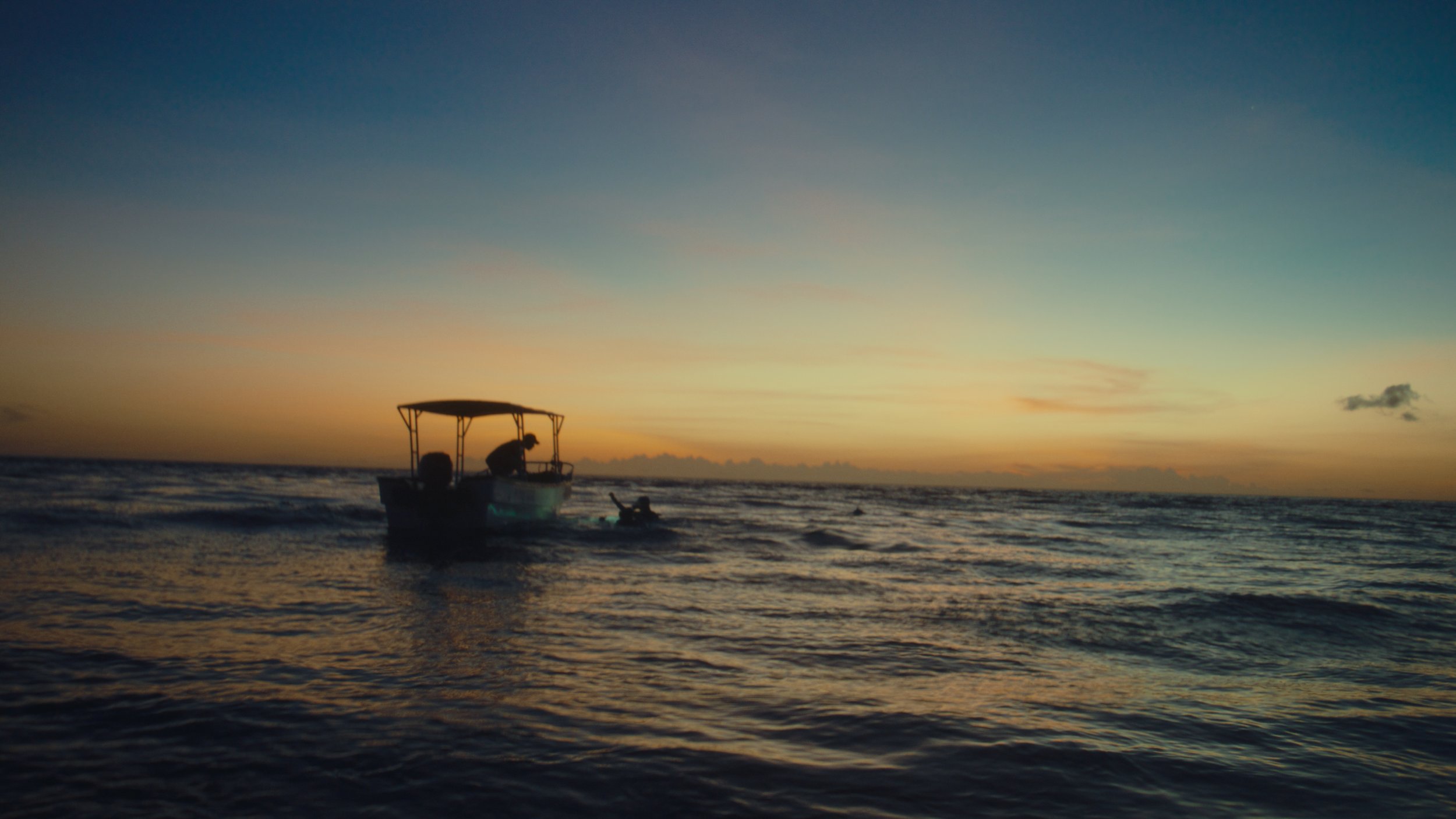
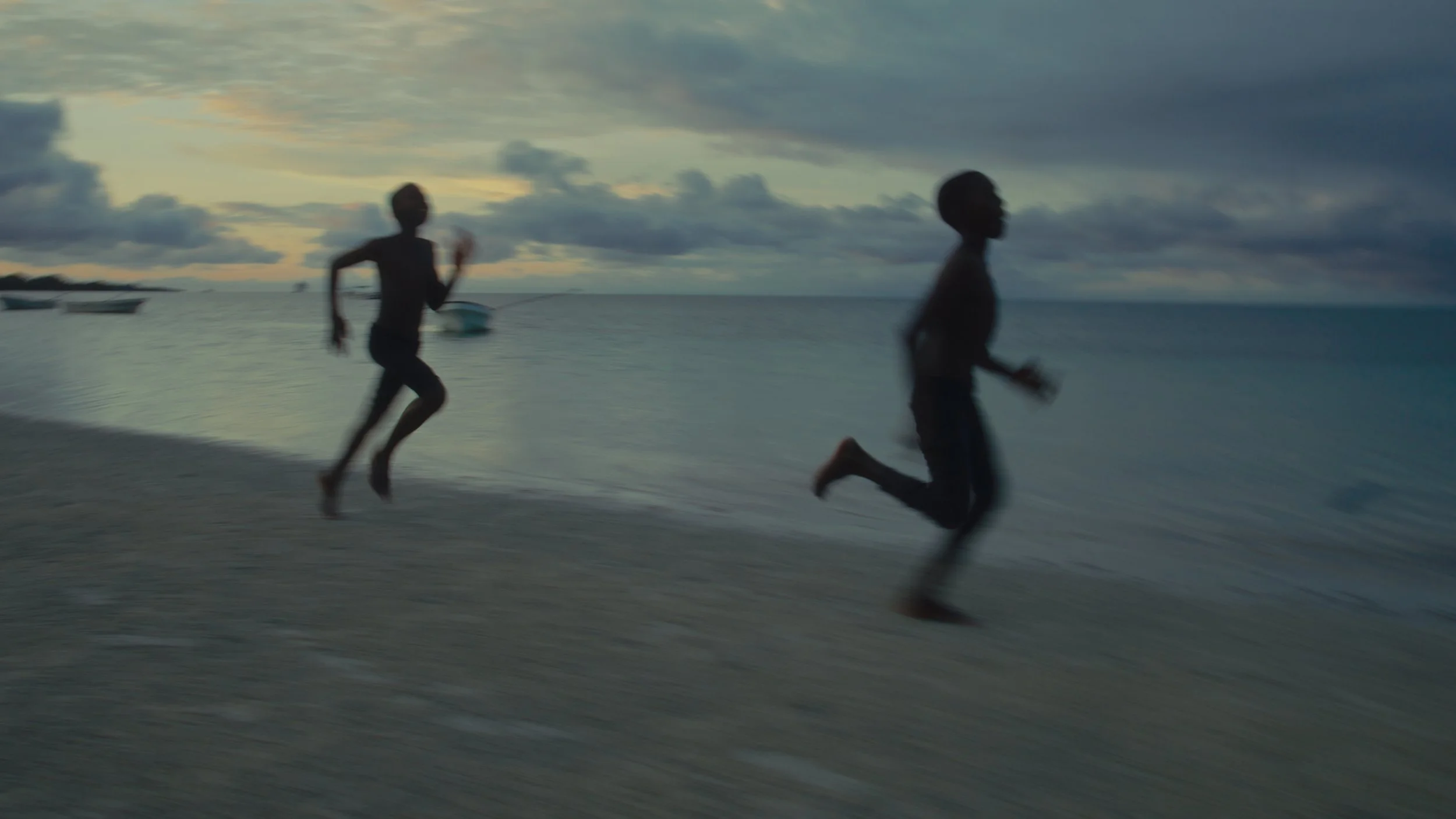
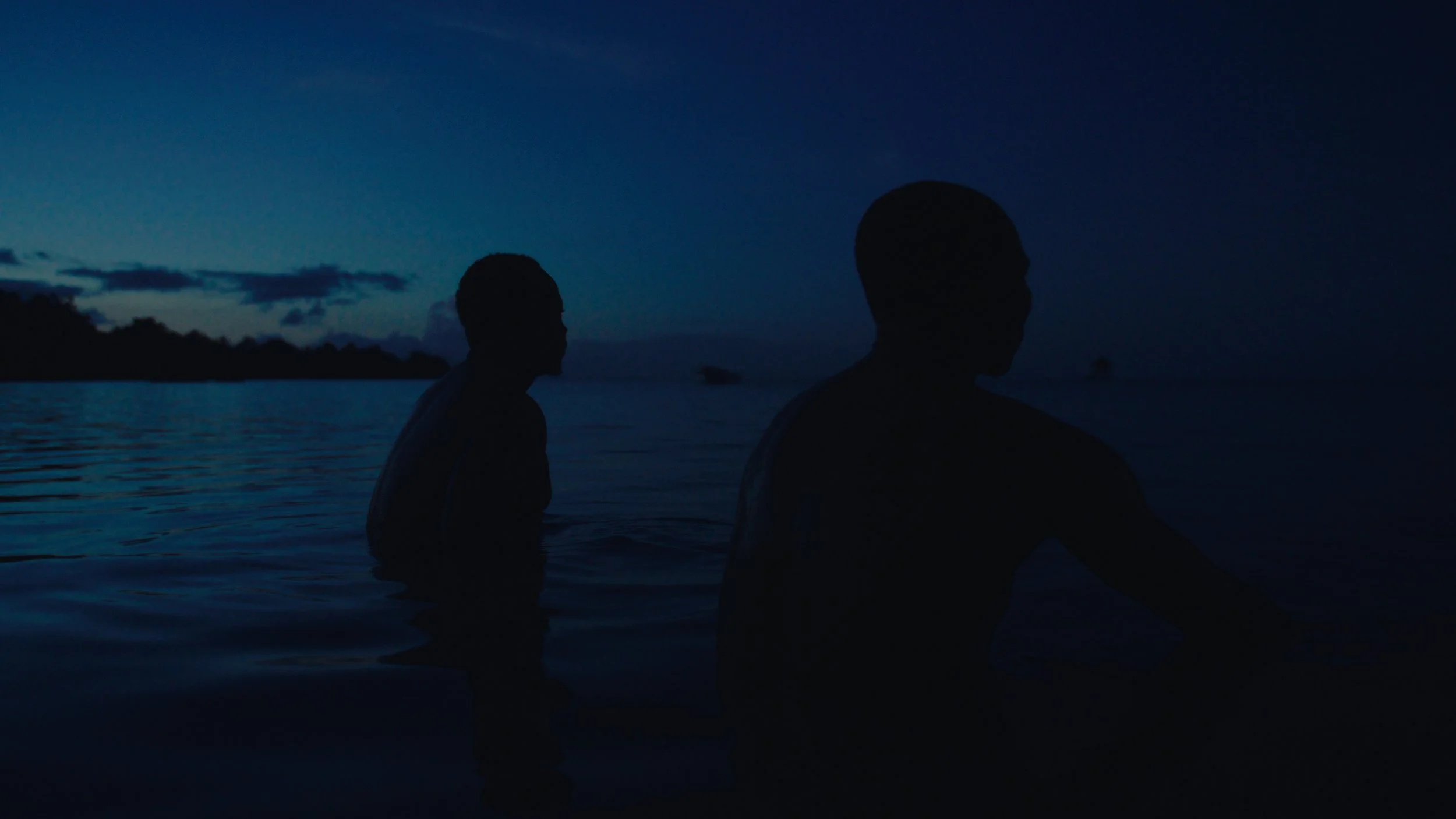
The film opens on a beach at sunset. Haji and his childhood friend have just finished sparring. They sit in the sand, catching their breath. His friend asks a question Haji has been living the answer to for years. The film begins. The same beach, the same two men, will close the film. But everything between will have changed.
Part One: The World He Came From
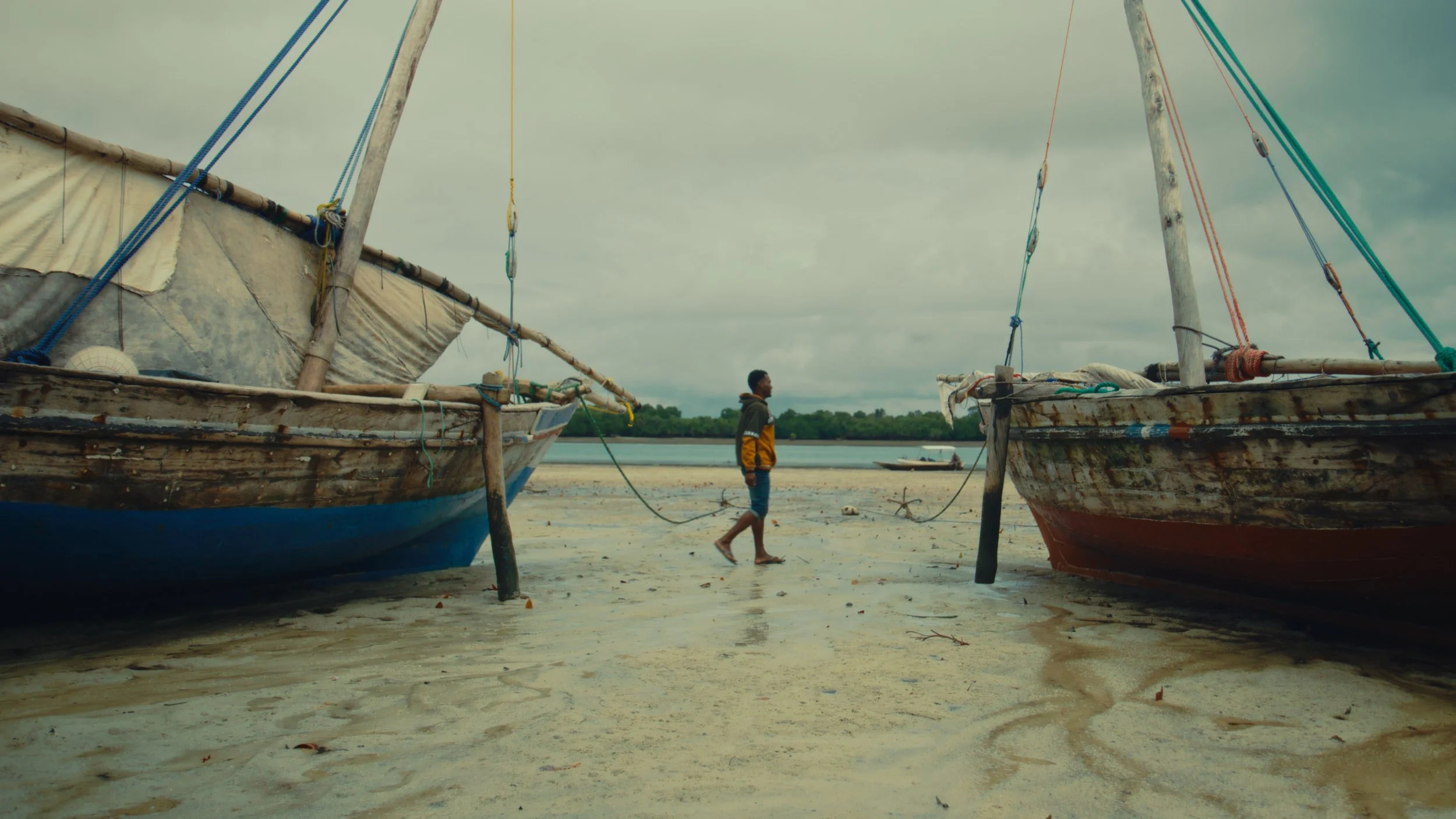
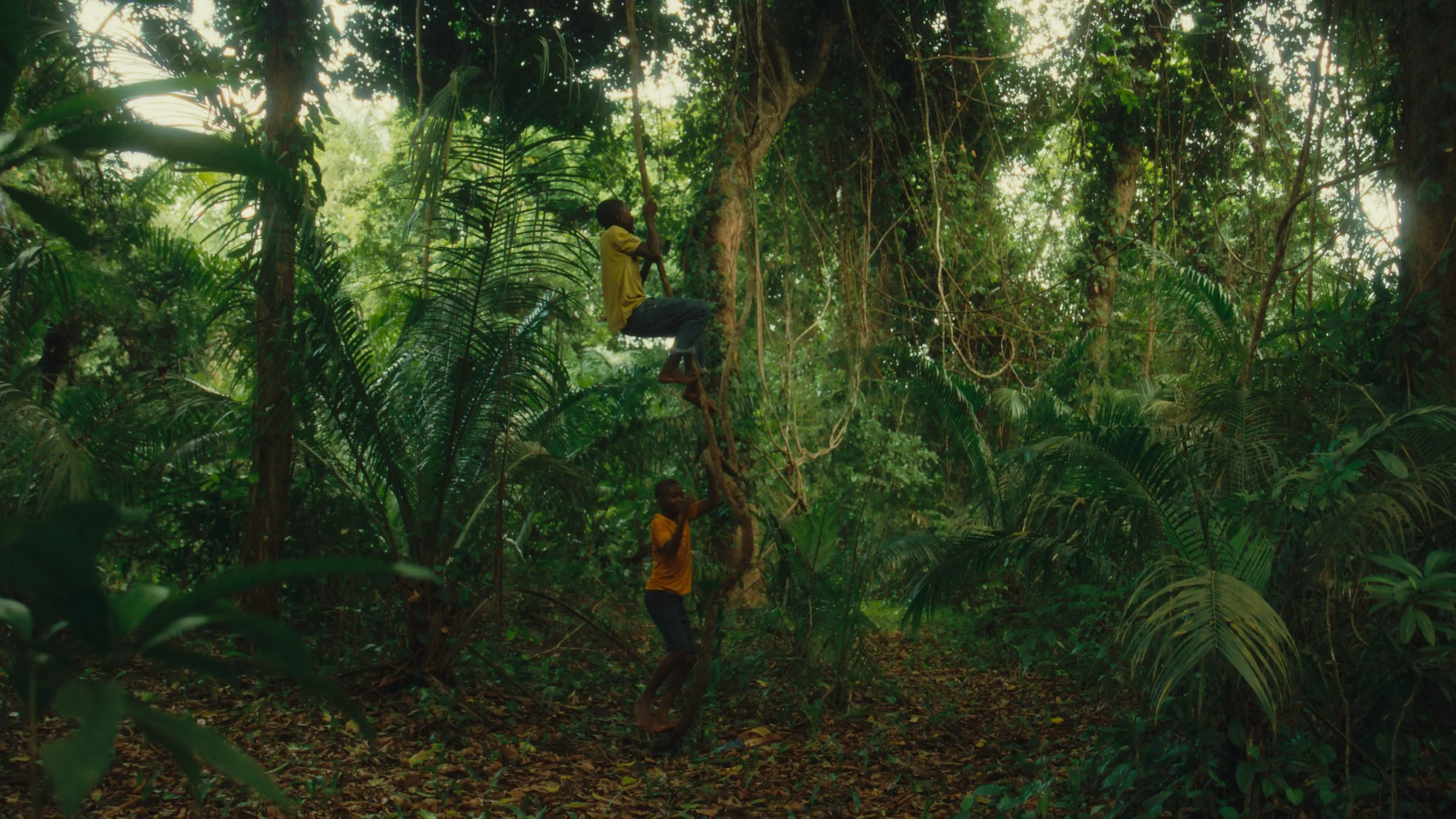
Young boys in the shallows, spearfishing with nets. A teenager on a bicycle with the day's catch. The rhythm of a life built around the sea. This is the world Haji grew up in. Abundant. Generous. The ocean as provider.
The Inflection: The Day There Were No Fish
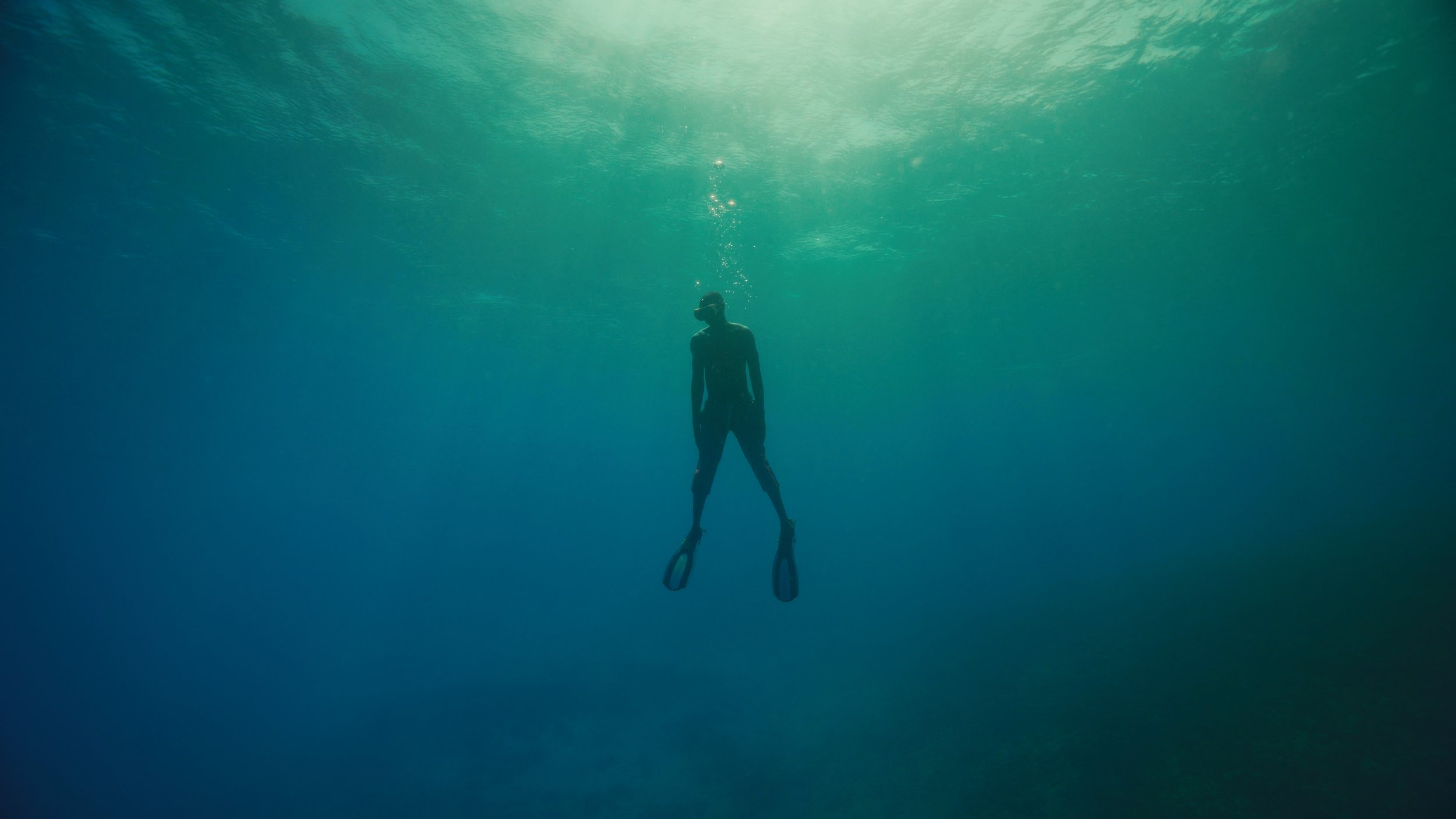
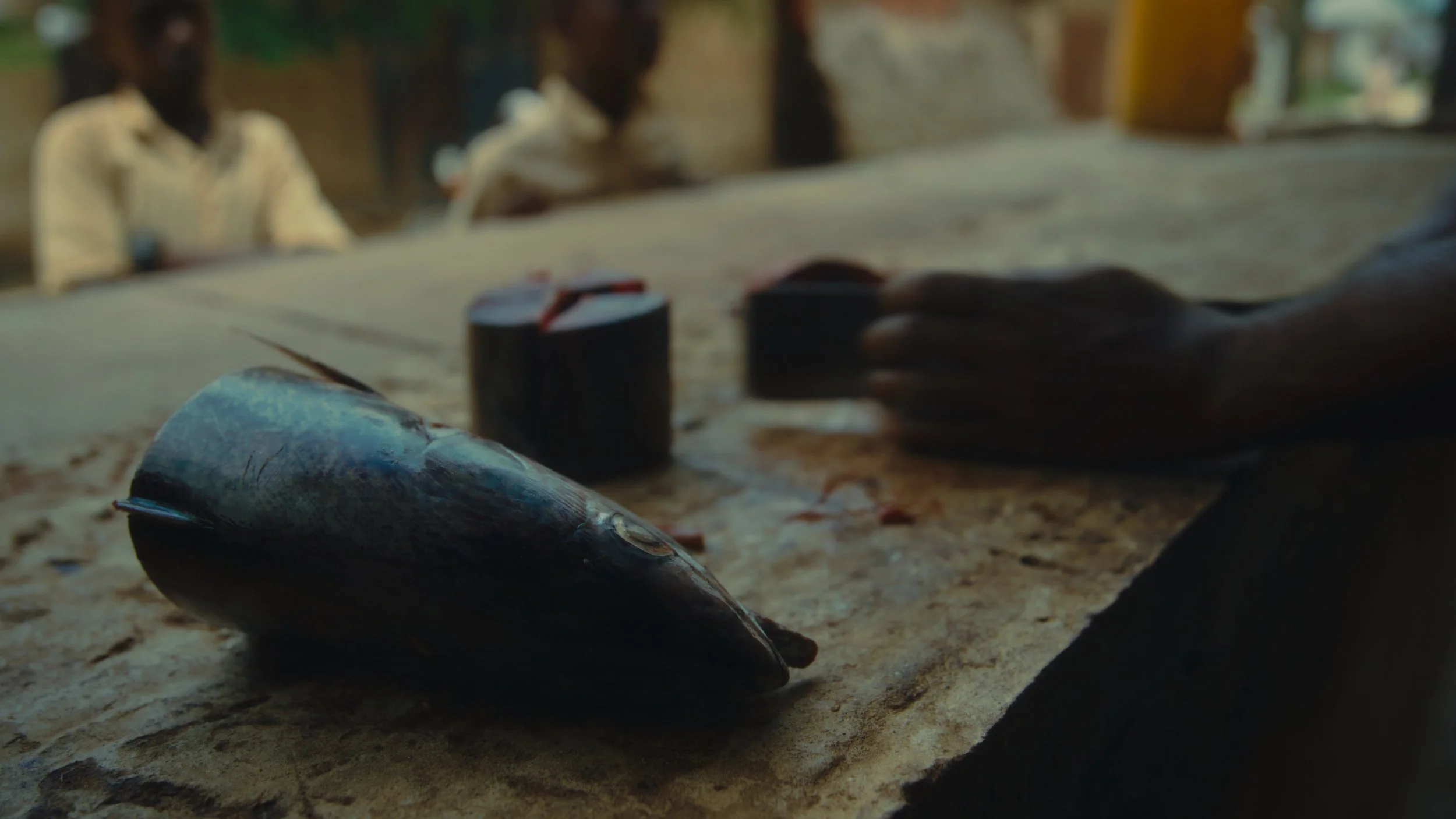
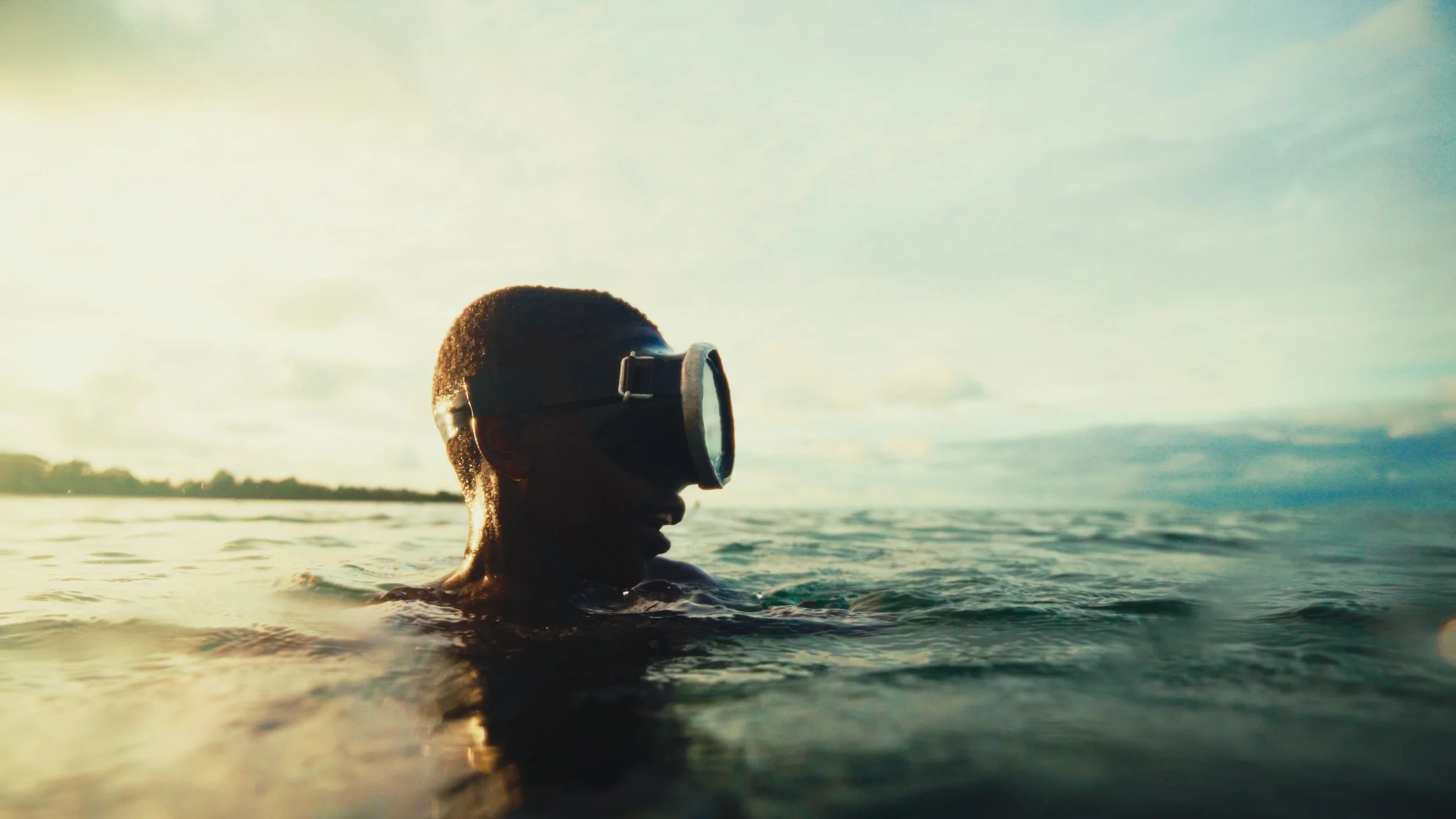
One day Haji went down. Not to catch. Just to look. The coral was white. Dead. The fish were gone. Not fewer. Gone. He surfaced, stood on the beach, watched the other boats still pulling nets. He understood then what had already been lost. And he understood that he still had the cup in his hands.
The Bridge: Patrol to Science
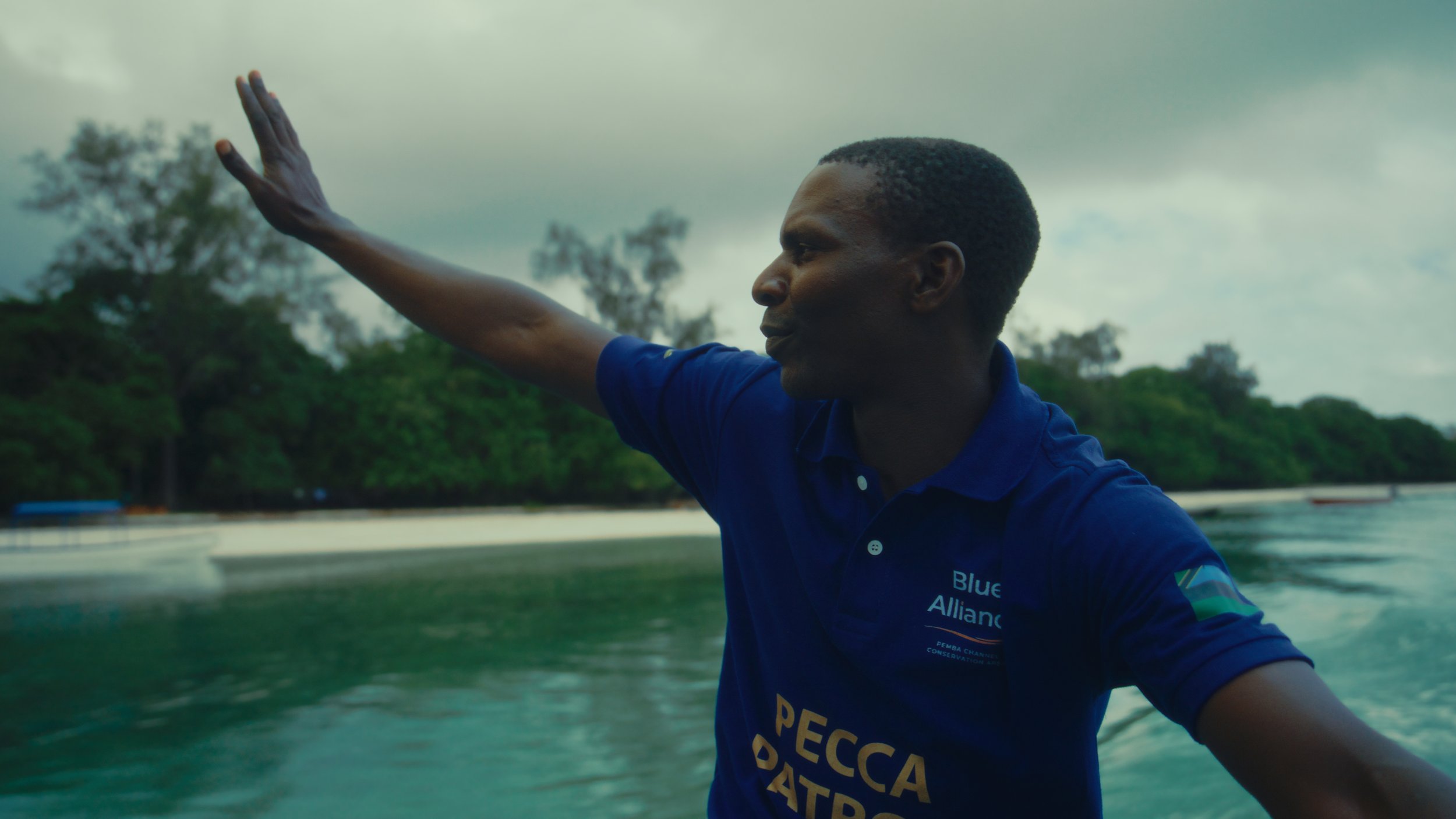
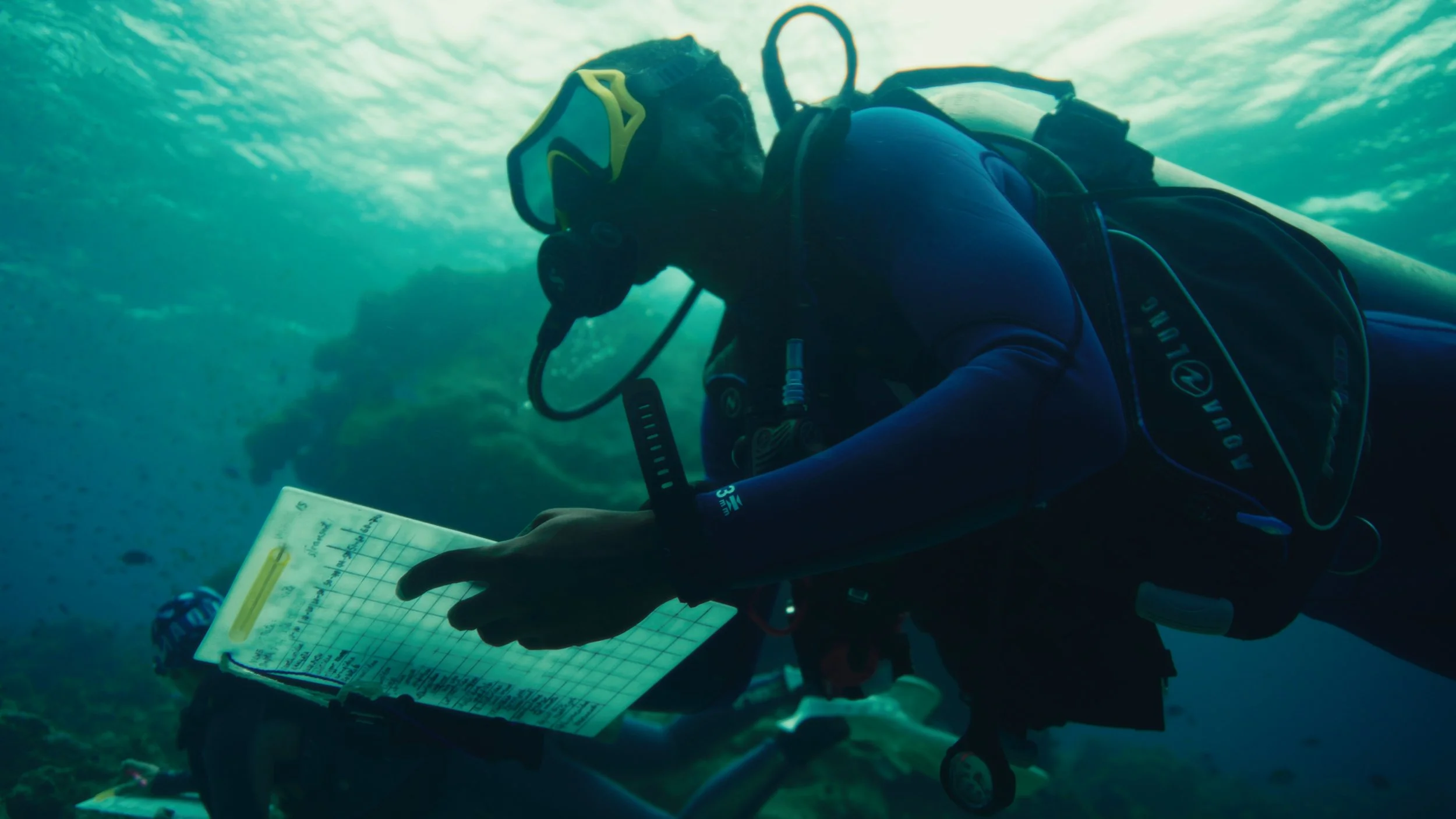
Time passes. Sunrise patrols. Night watches. Rain. Haji moves through the ranger programme and into the science team. Margot, Head of Science at Blue Alliance, teaches him to dive. She gives him access to a world he has known from the surface his entire life, but has never seen from below.
Part Two: The Scientist
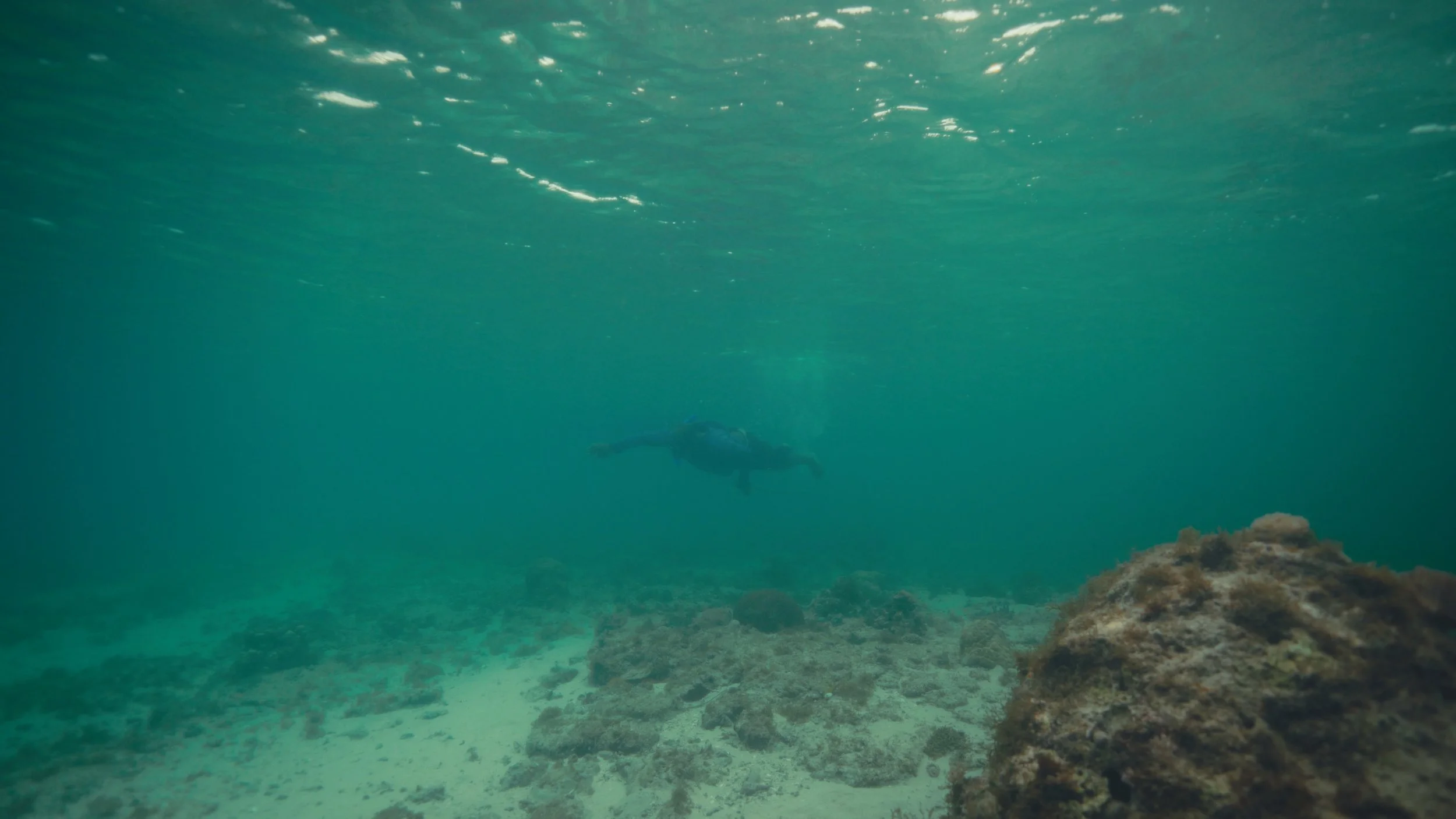
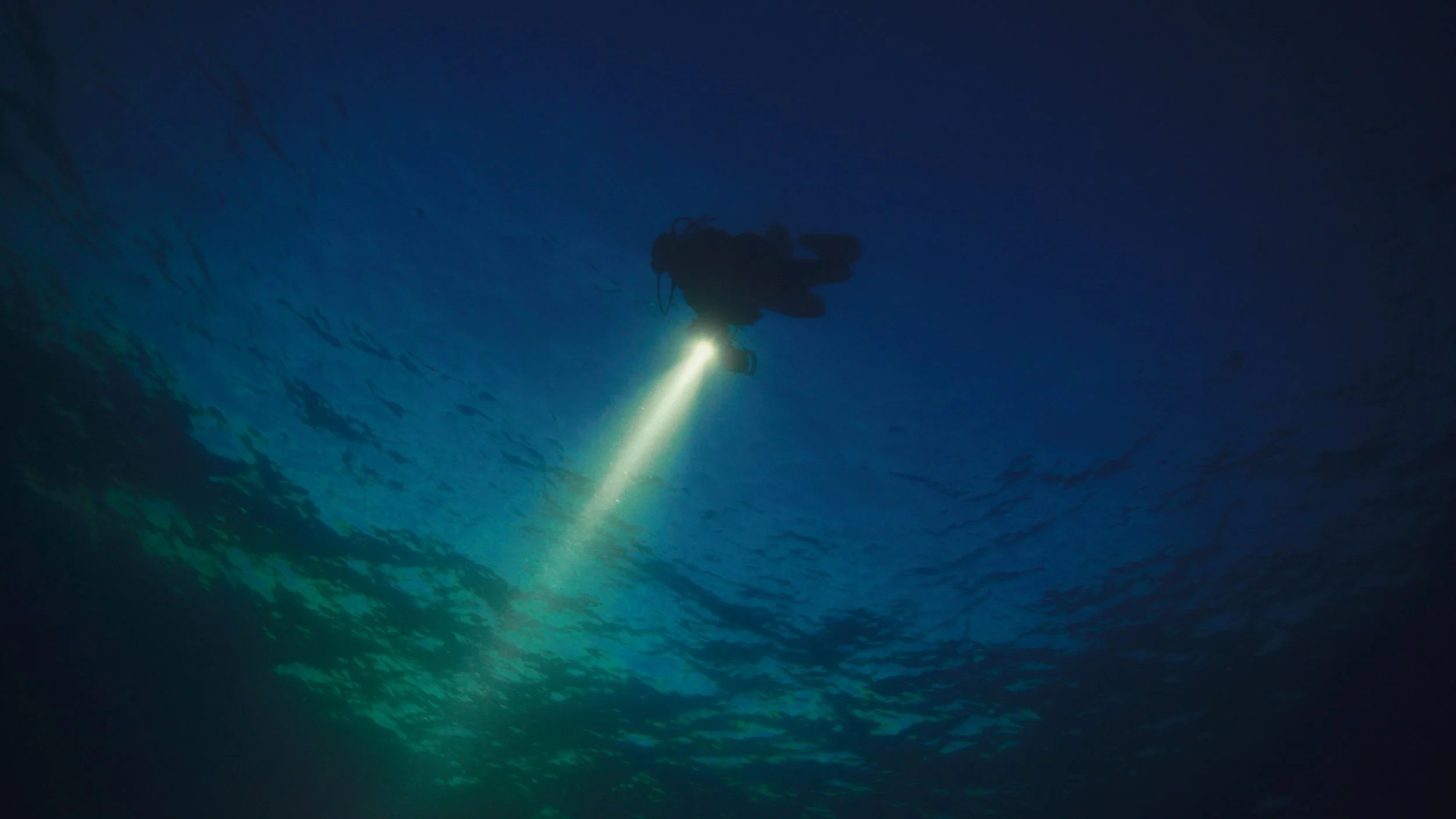
Science diving. Transect surveys. Terracotta tiles placed on the reef before spawning, collected weeks later, examined under a microscope for the first signs of new coral. The Bush Lab. The night dive. A fisherman who now counts fish, enters data into spreadsheets, and understands why the numbers matter.
Closing Frame: Back on the Beach
The film returns to where it began. The same beach. The same two men. The friend has listened to everything. He says the proverb back, in the way Haji said it at the start. Not as resignation. As understanding. He stands. Both men walk into the sea together. The question the film ends on is not Haji's. It is ours.
THROUGH LINE
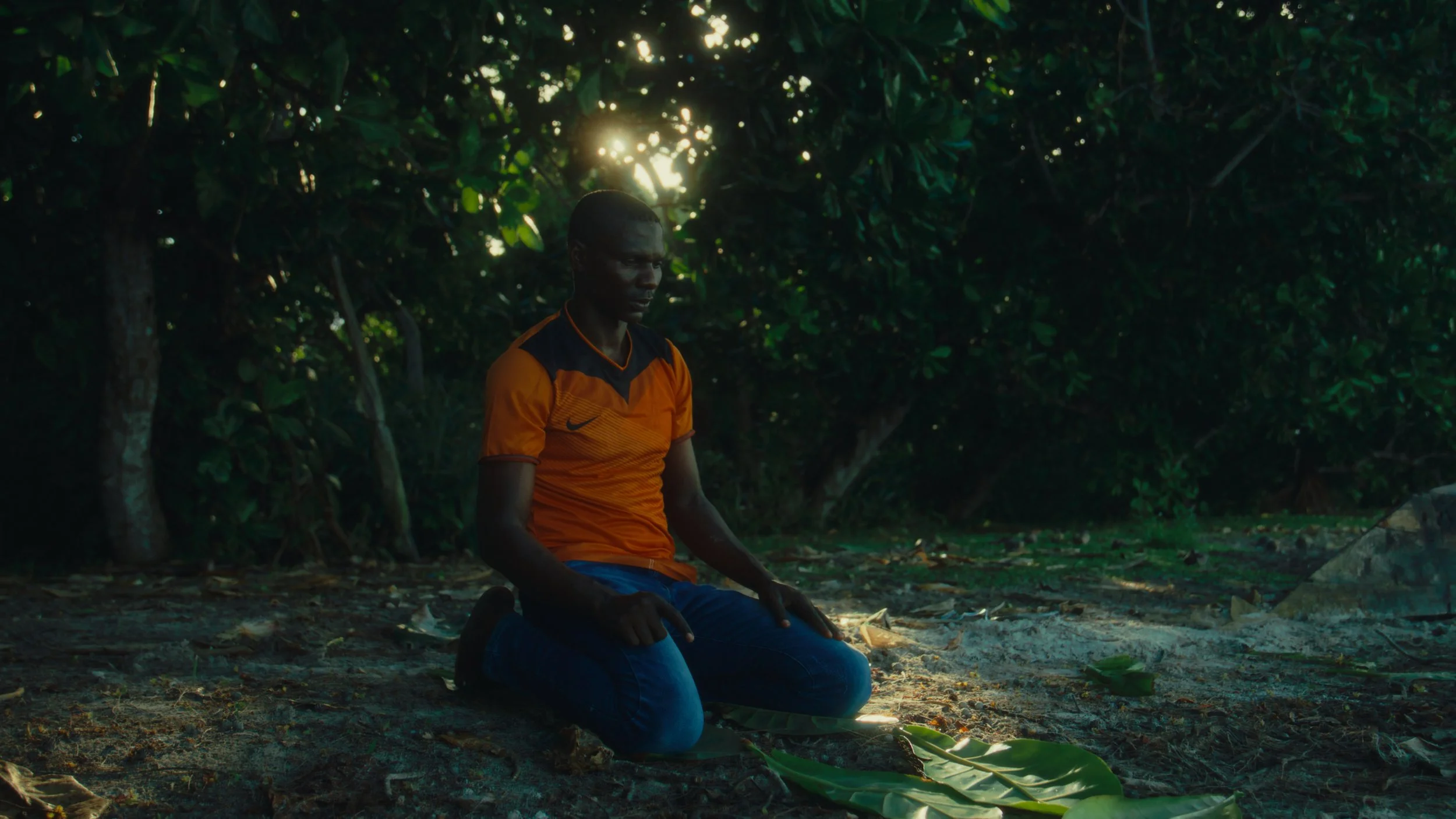
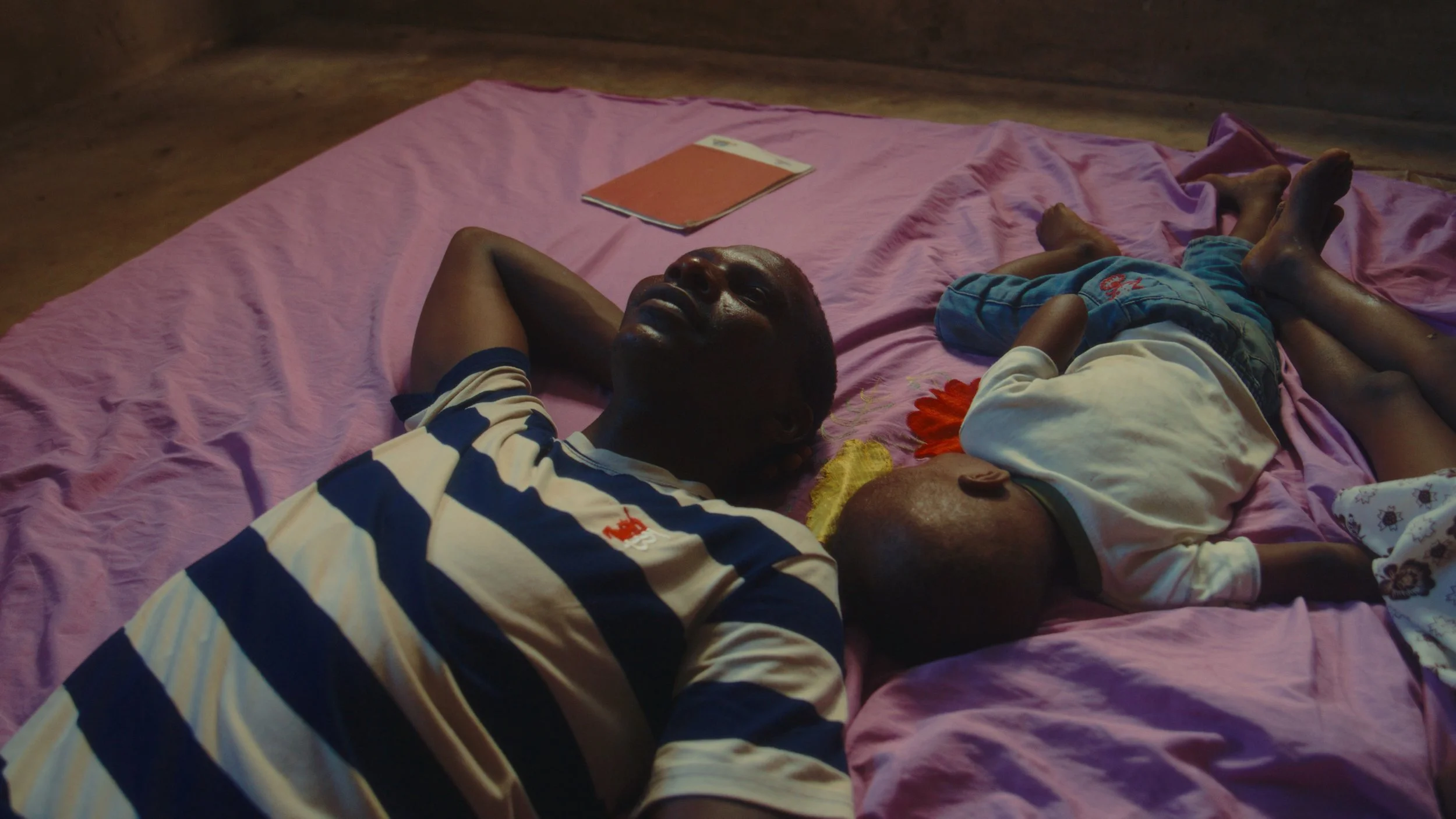
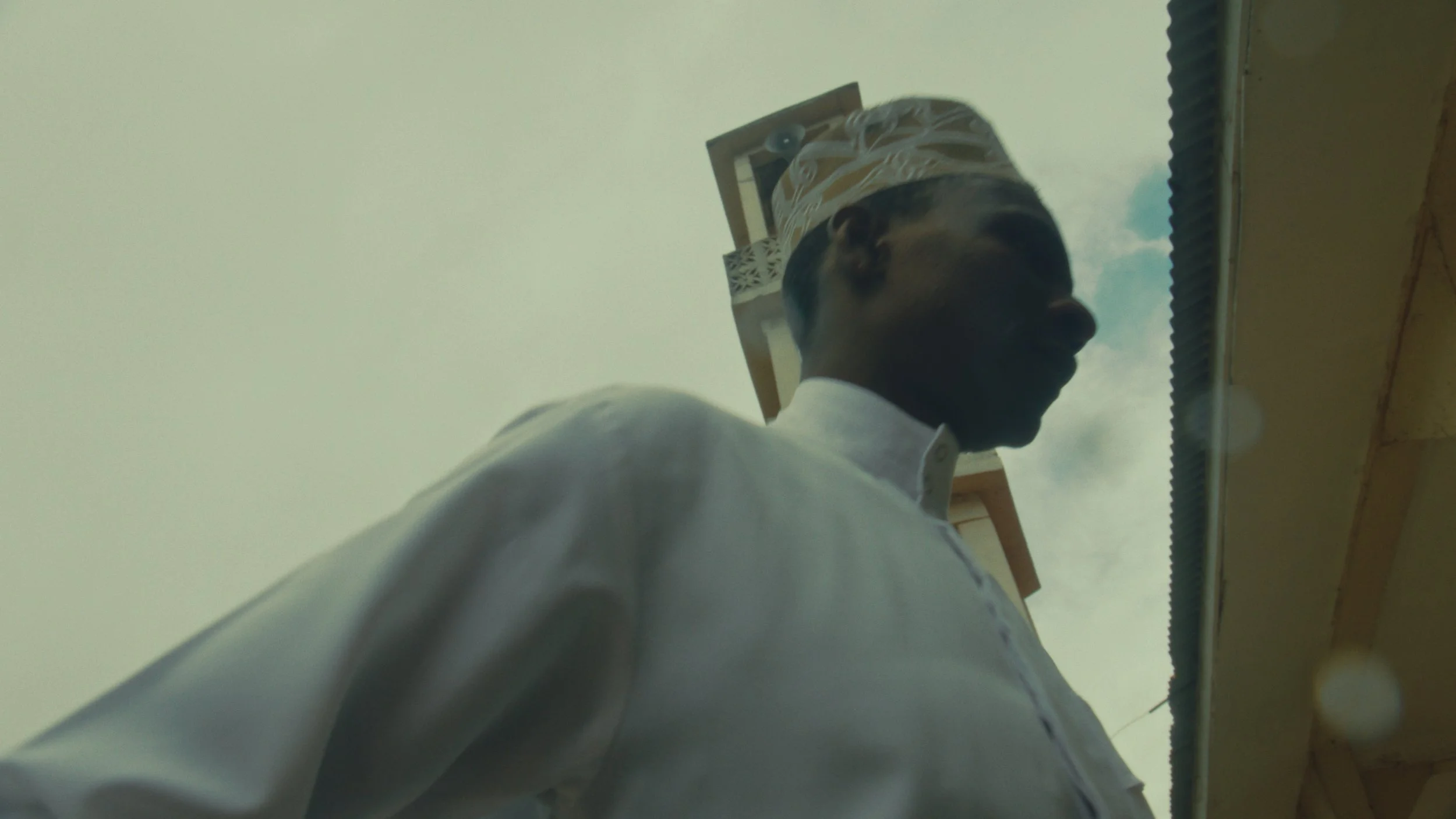
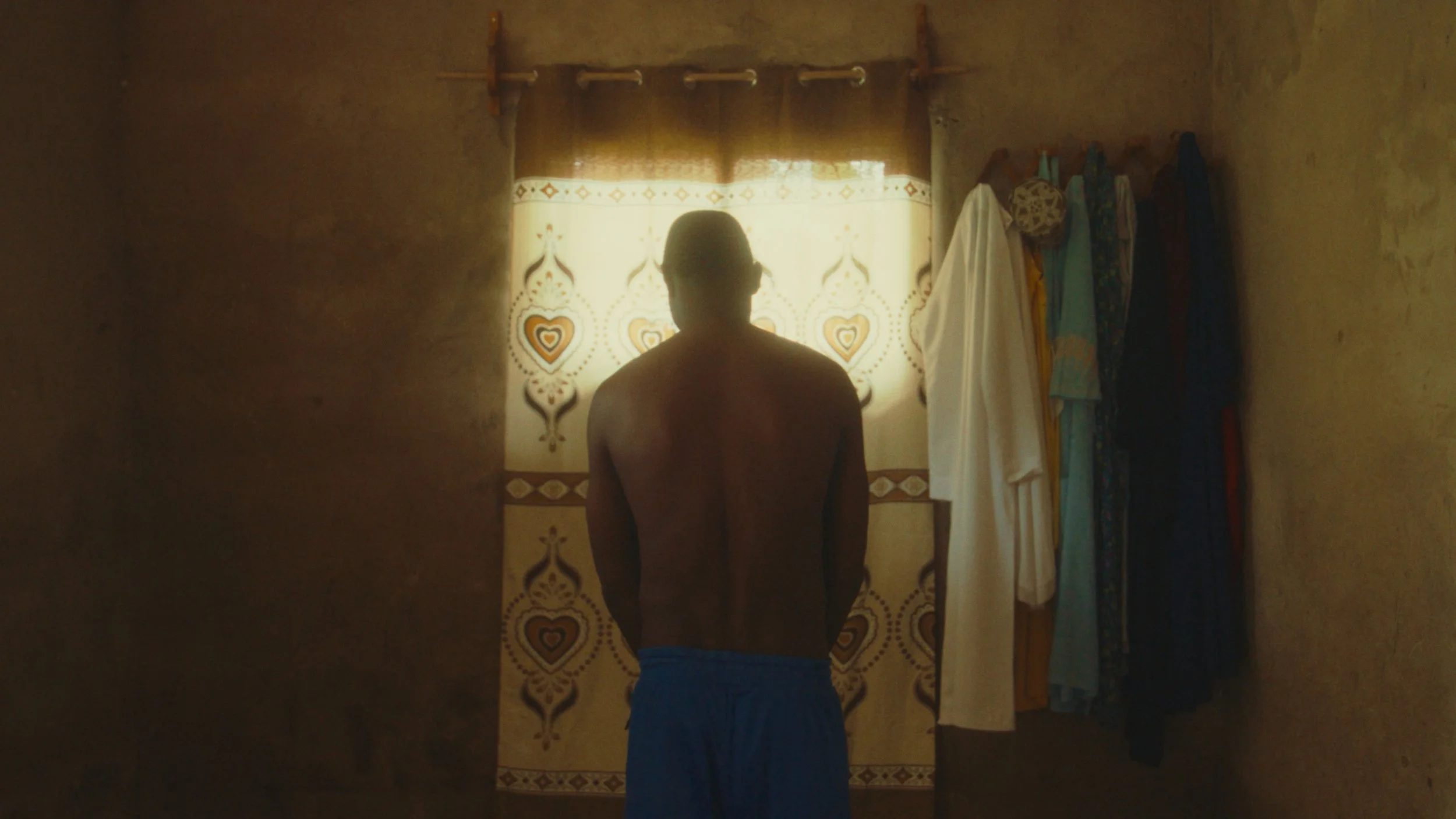
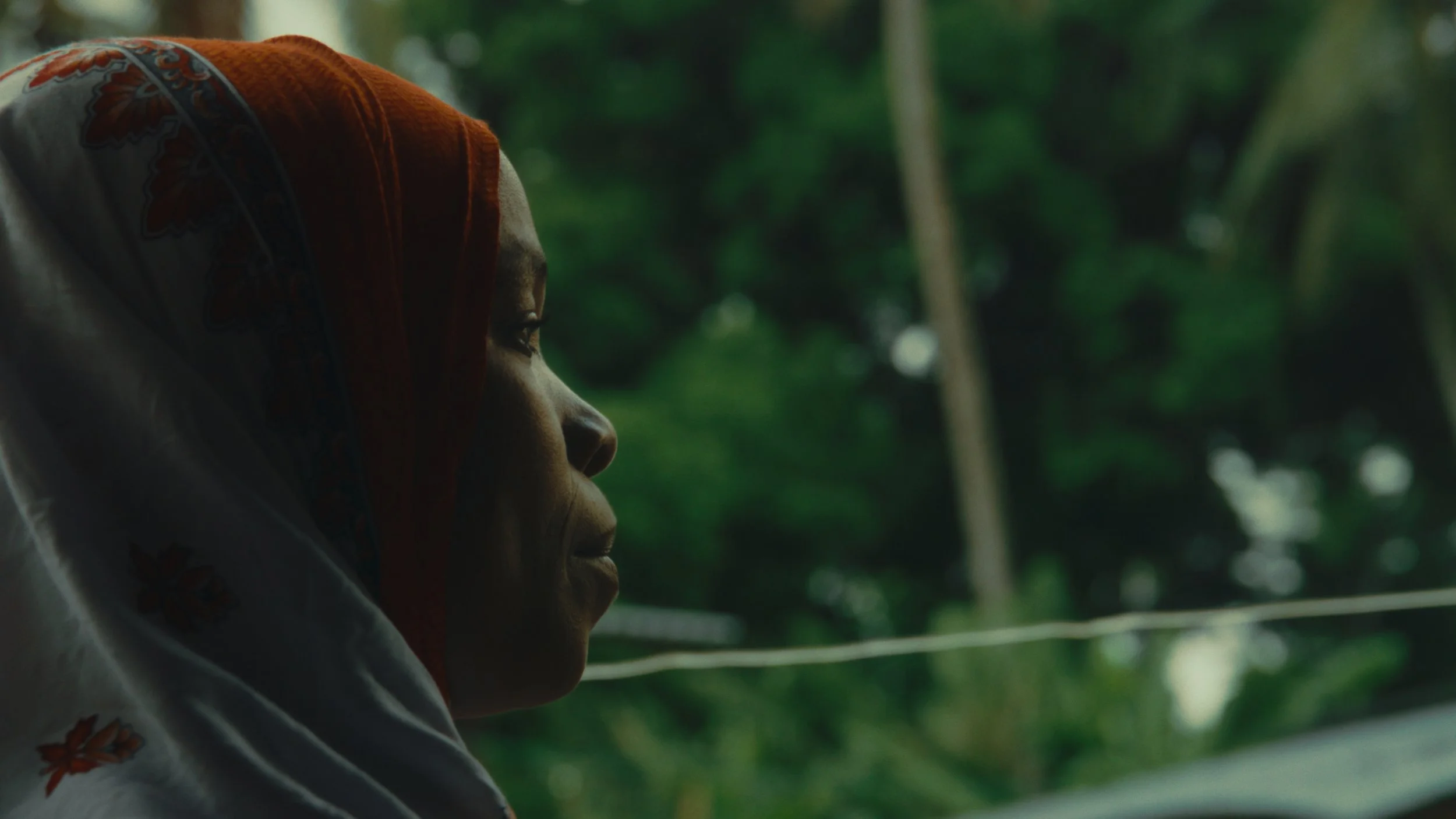
Woven through the entire film are the Quiet Reflections: Haji in prayer as the boat comes to shore, with his family at home, drawing underwater creatures with his daughter, and time alone. These moments do not carry information. The carry meaning. They show what he is doing all of this for.
The proverb threads through the film three times. First in Haji's mouth, on the beach, at the opening. Then in his voiceover, at the moment of realisation. Finally, in his friend's mouth, on the same beach, at the close. By the third time, the audience knows exactly what it means.
Maji yaliyomwagika hayazoleki. Lakini bado tunashikilia kikombe.
Spilled water cannot be gathered again. But we still hold the cup.
❋
FILM 2 | AN ODE TO AN ISLAND
An island defined by its water. A community built around it. This film is not one person's story. It is a portrait of a place, and an honest look at the many lives that depend on the sea to survive.
Where Film One asks why a man changed, this film shows what he changed for.
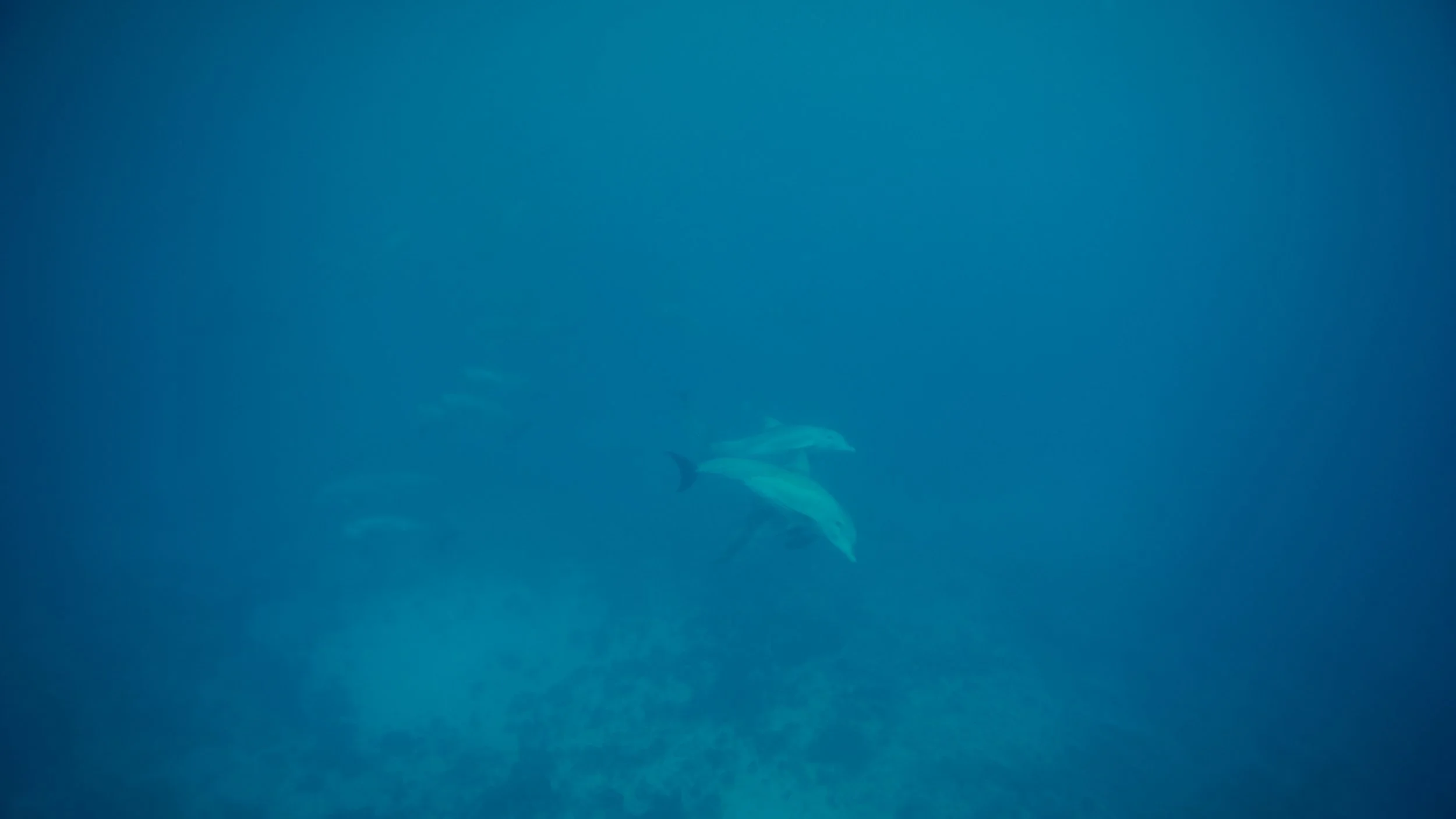
An attempt to show, not explain, what it looks and feels like to live in one of the most ecologically significant marine environments in the world, when that environment is the ground beneath your feet, the food on your table, and the future your children will inherit.
Conservation is easy to argue for in the abstract. This film makes it concrete. The fight for the Pemba Channel is not about coral statistics or fish biomass targets. It is about a woman in the mud at low tide, a man coming home with enough to feed his family, a young girl who has never known a reef without fish.
That is why the fight matters. Not the ocean in isolation. The people who cannot live without it.
THE STORY
The Fisherman
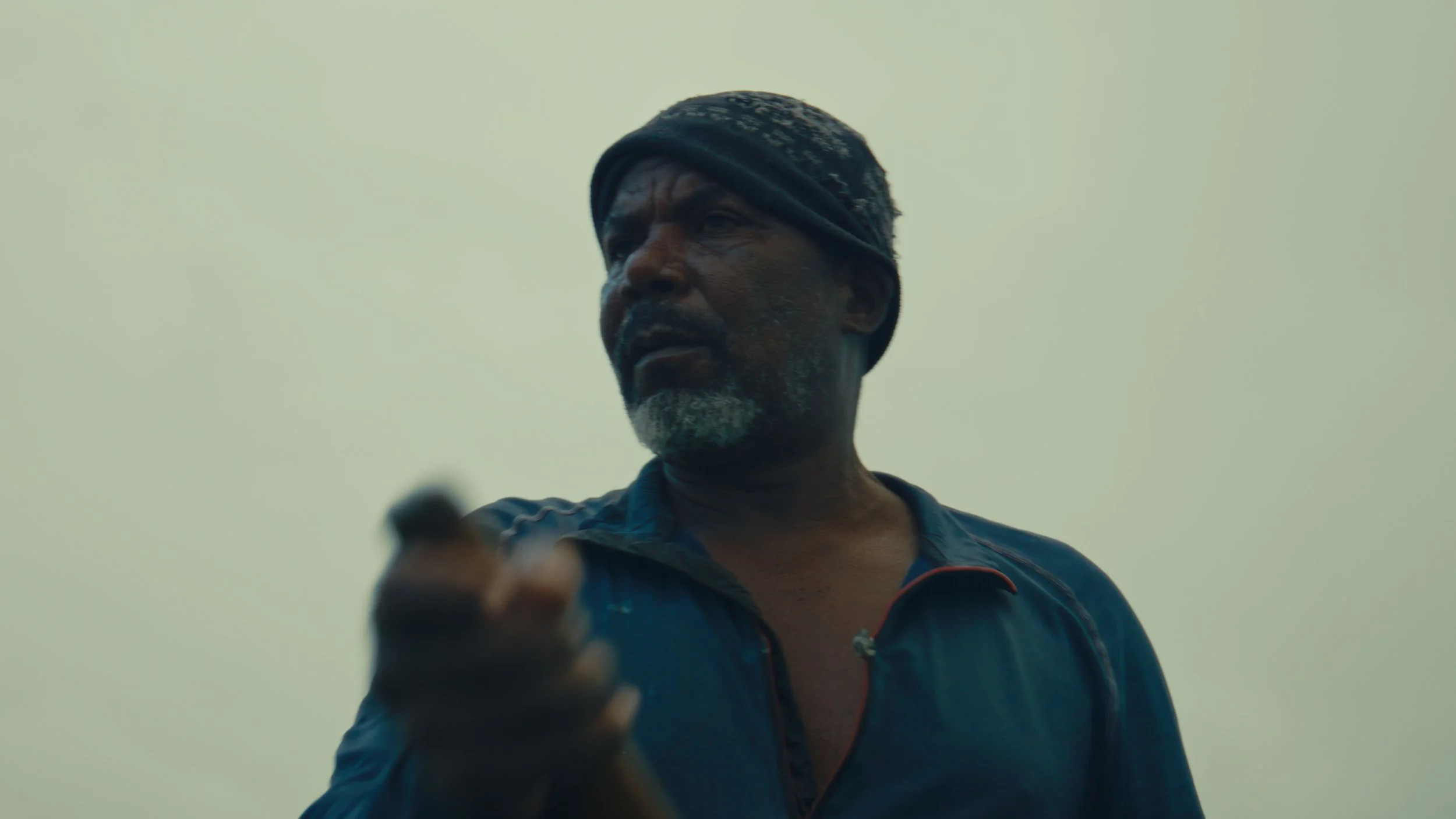
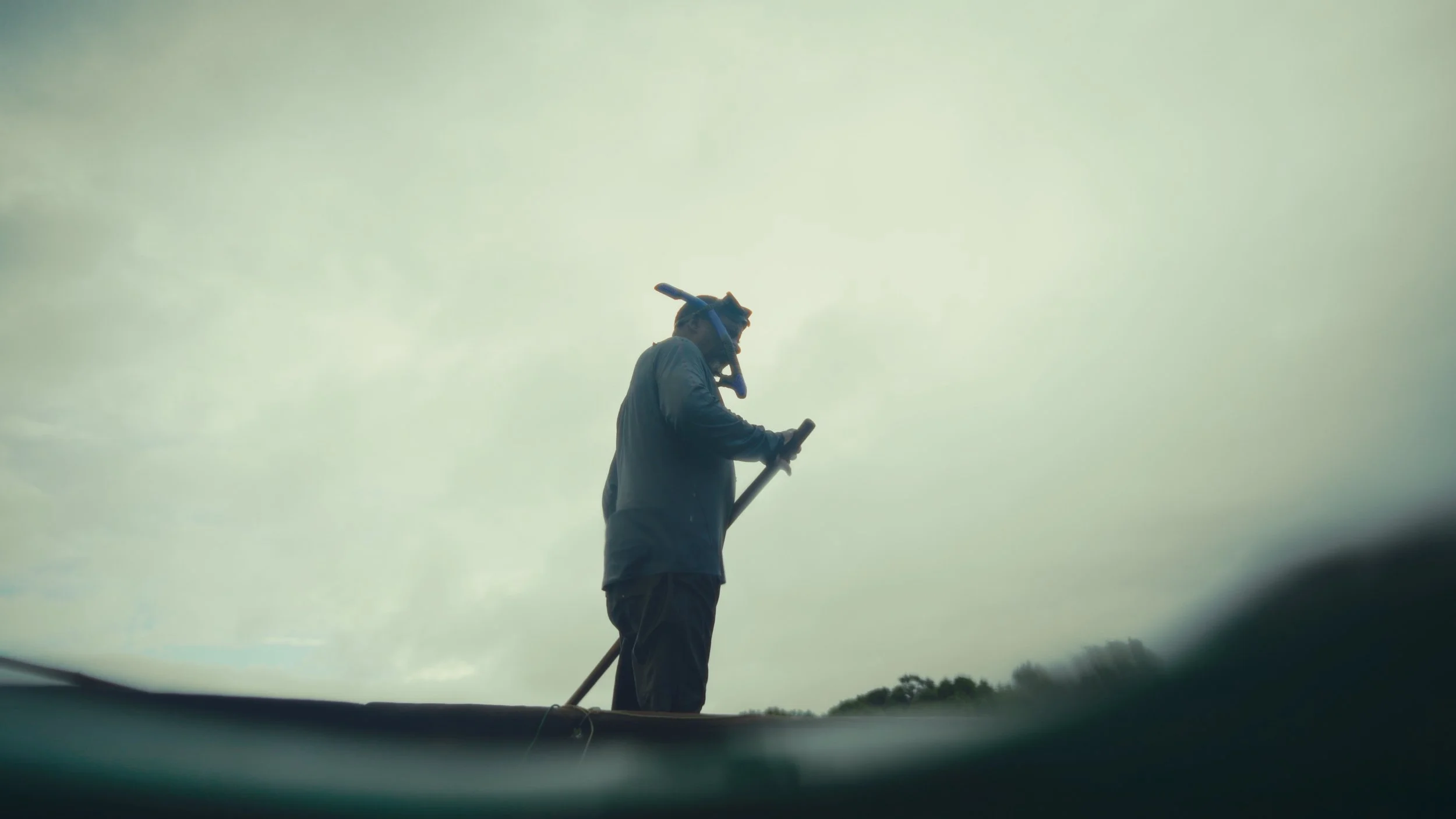
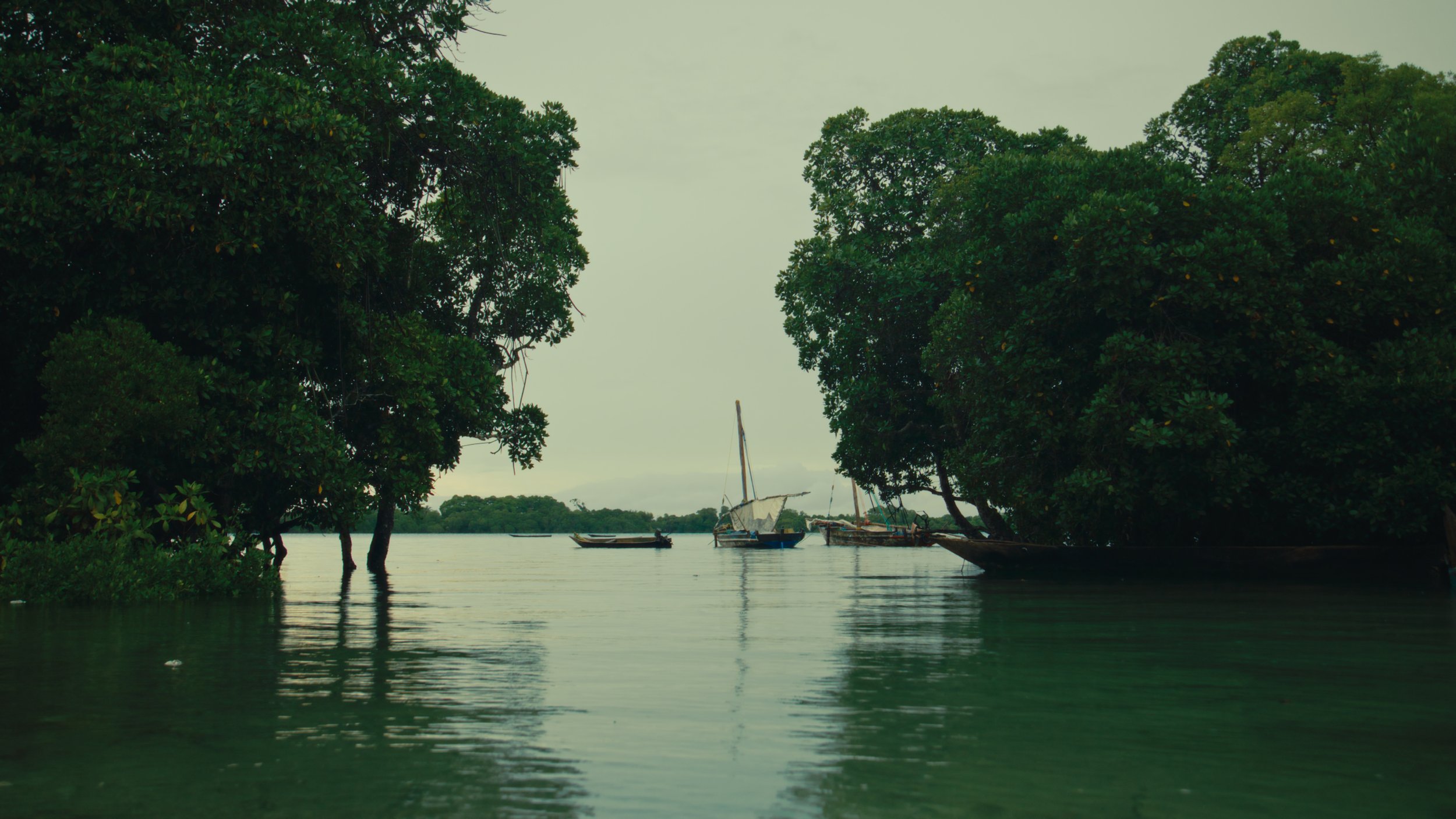
A subsistence fisherman who has fished the Pemba Channel his whole life. He still fishes. But the way he fishes has changed. Blue Alliance has worked with him and others in the community to practice techniques that give the reef a chance. He is not a conservationist by title. He is a father who wants there to be fish.
The Seagrass Farmer
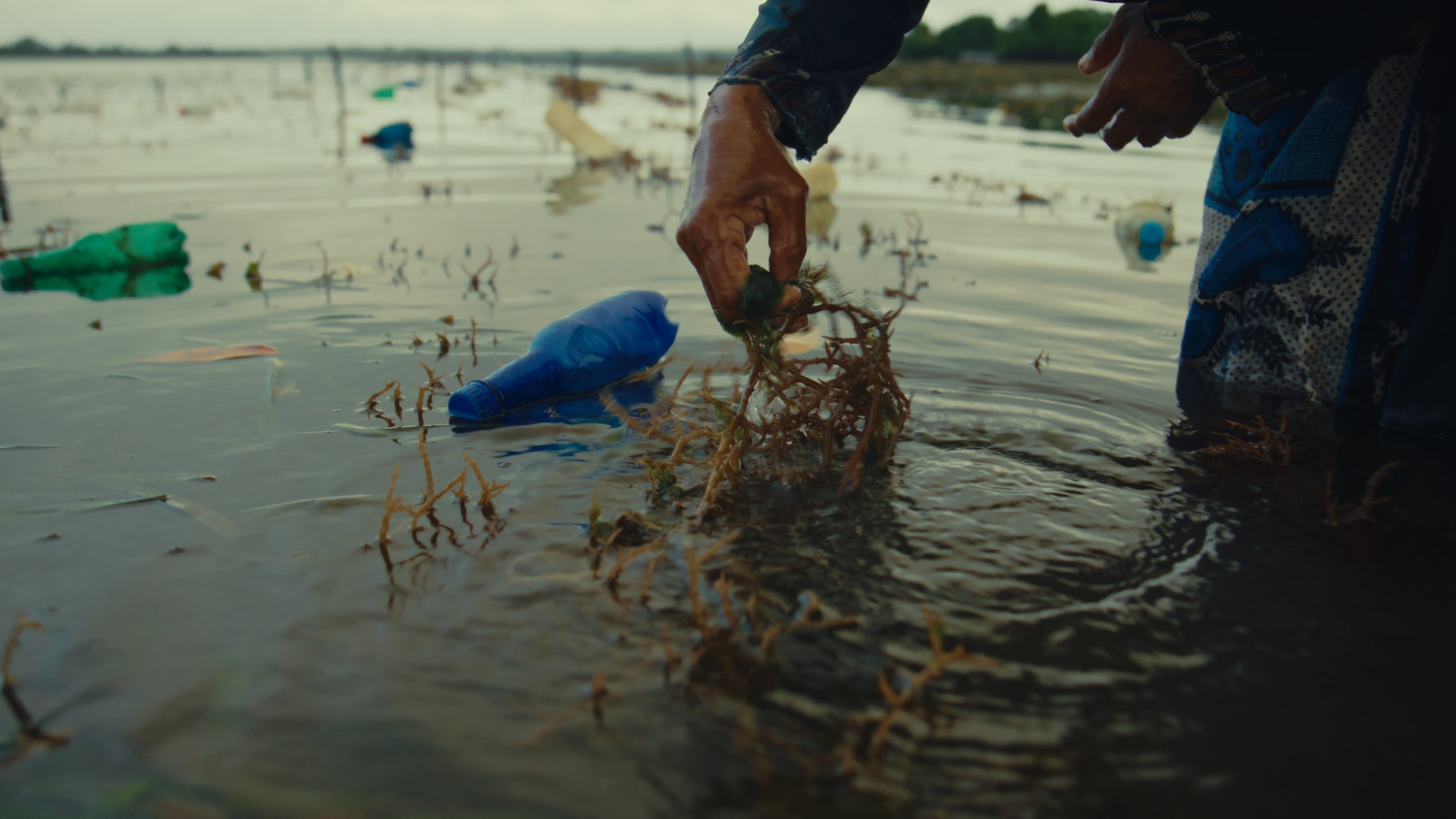
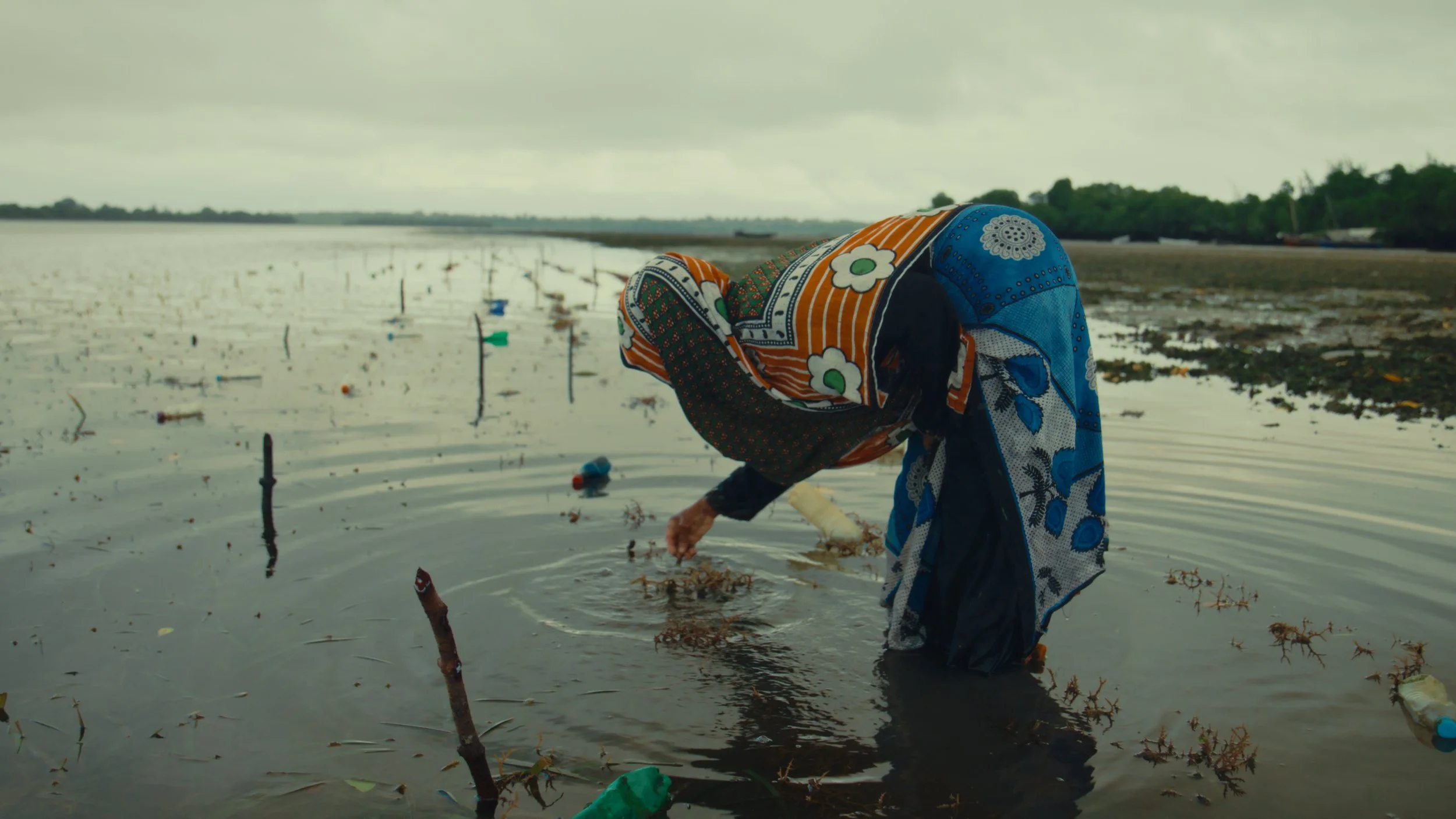
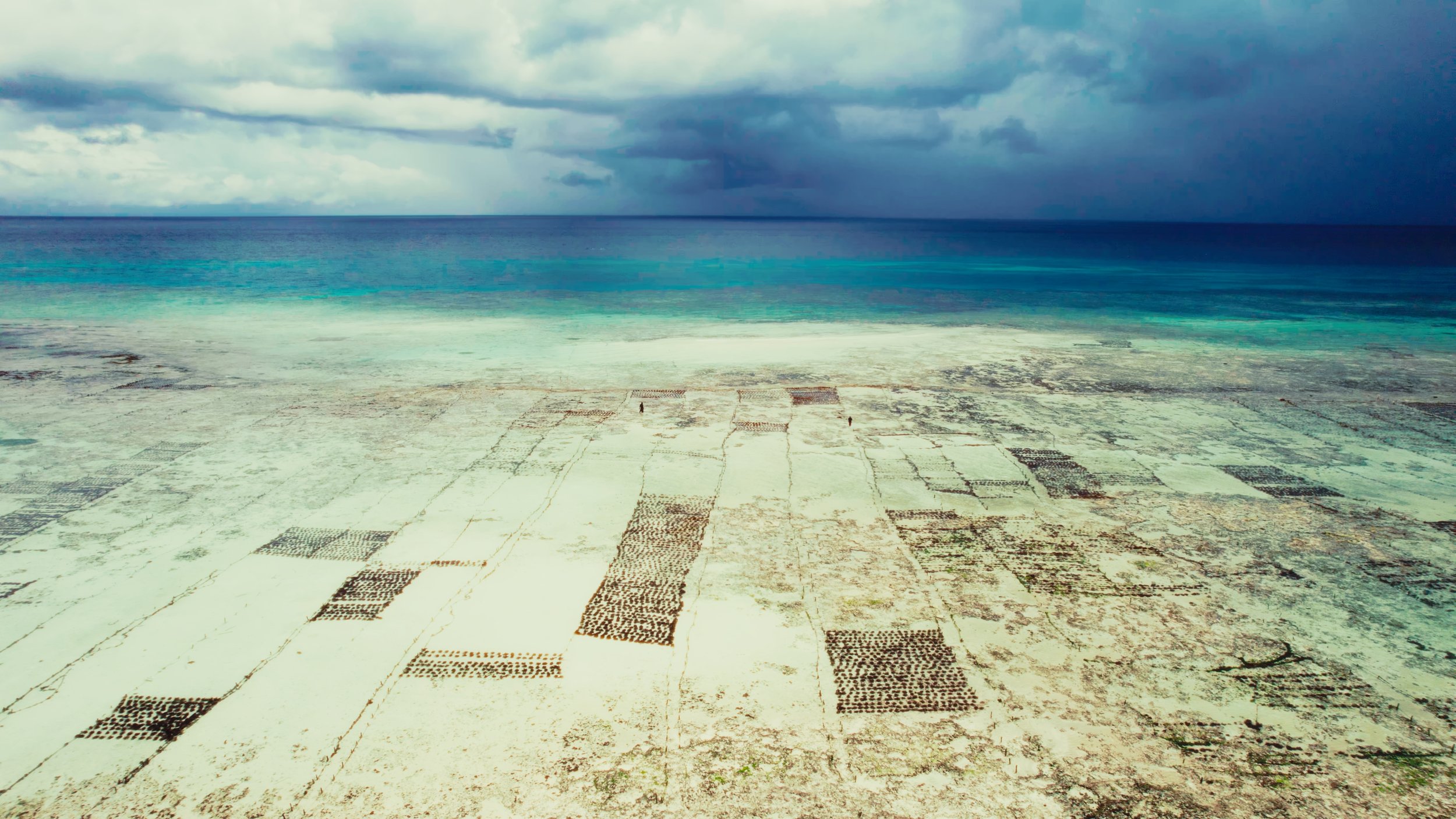
She spends her days in the tidal shallows, tending seagrass. It is quiet, physical work. The kind that does not make the news. But seagrass farming is a lifeline for households across this island — a source of income, a form of stewardship, a reason to be in the water every day. Her life is the film's most direct argument for why the ocean matters to ordinary people.
The Clam Collectors
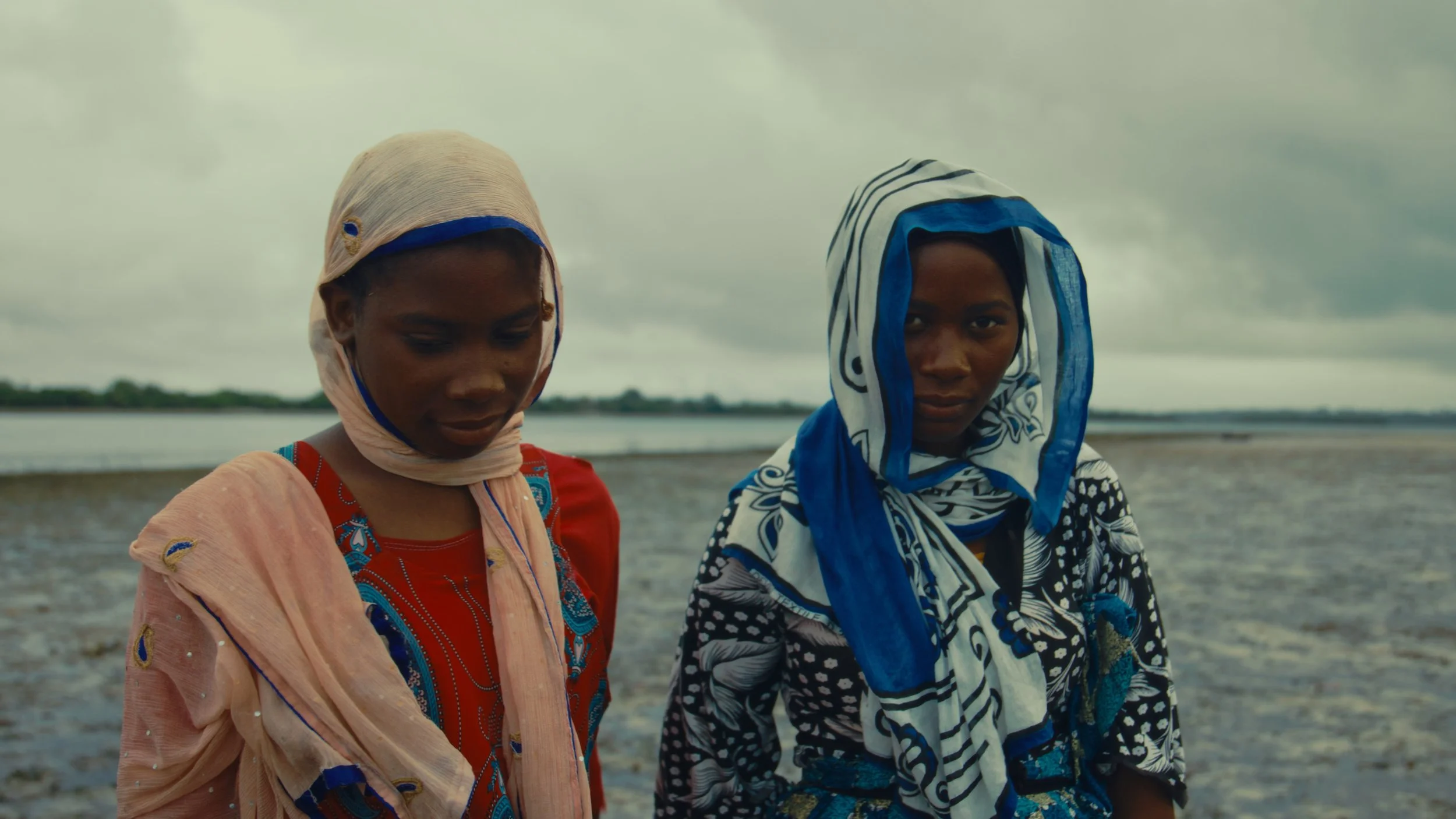
A group of young women, hands in the mud, collecting clams from the banks of the lagoon. The physical, unhurried reality of what it means to harvest from this environment. No commentary needed.
On Patrol
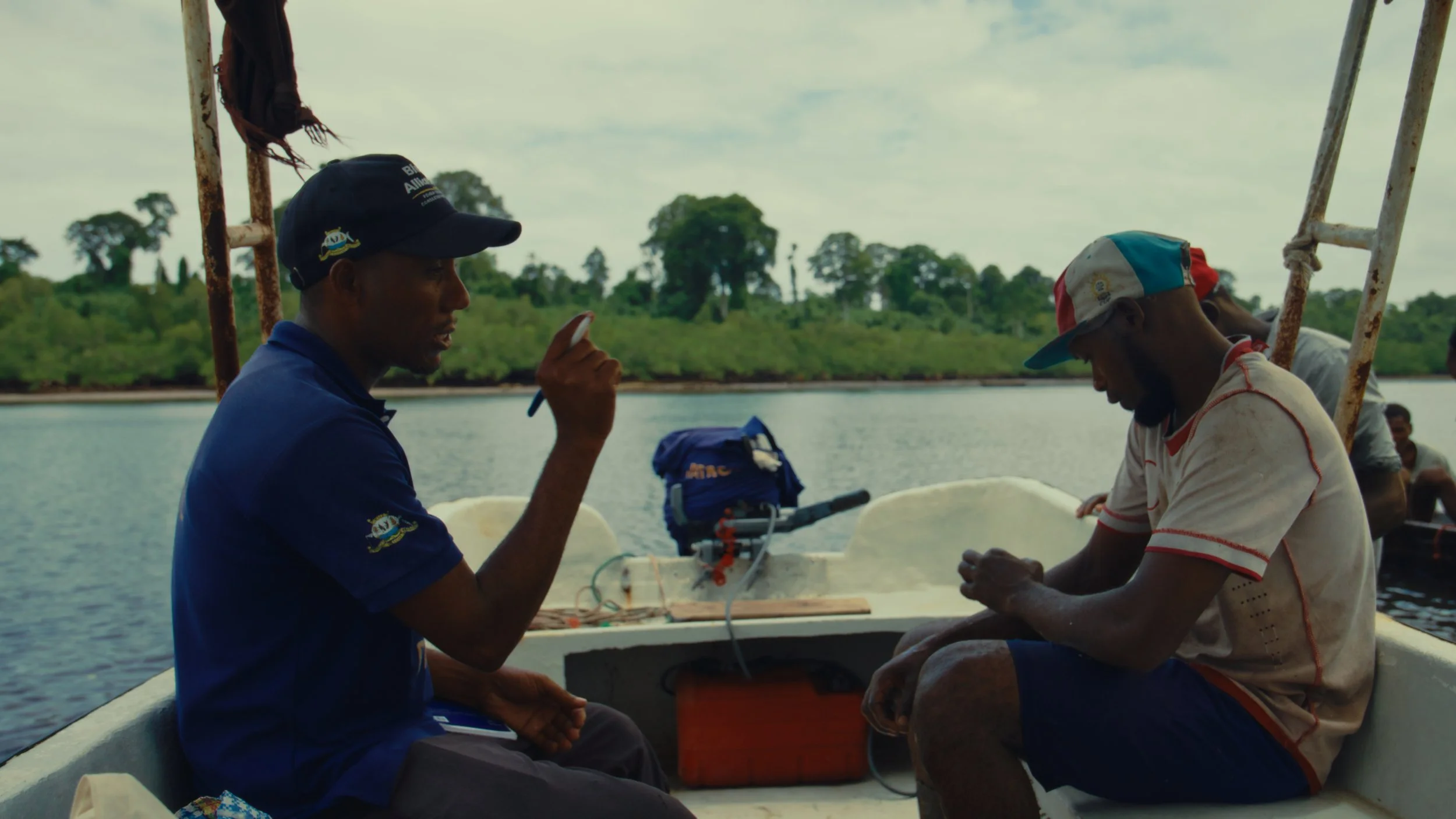
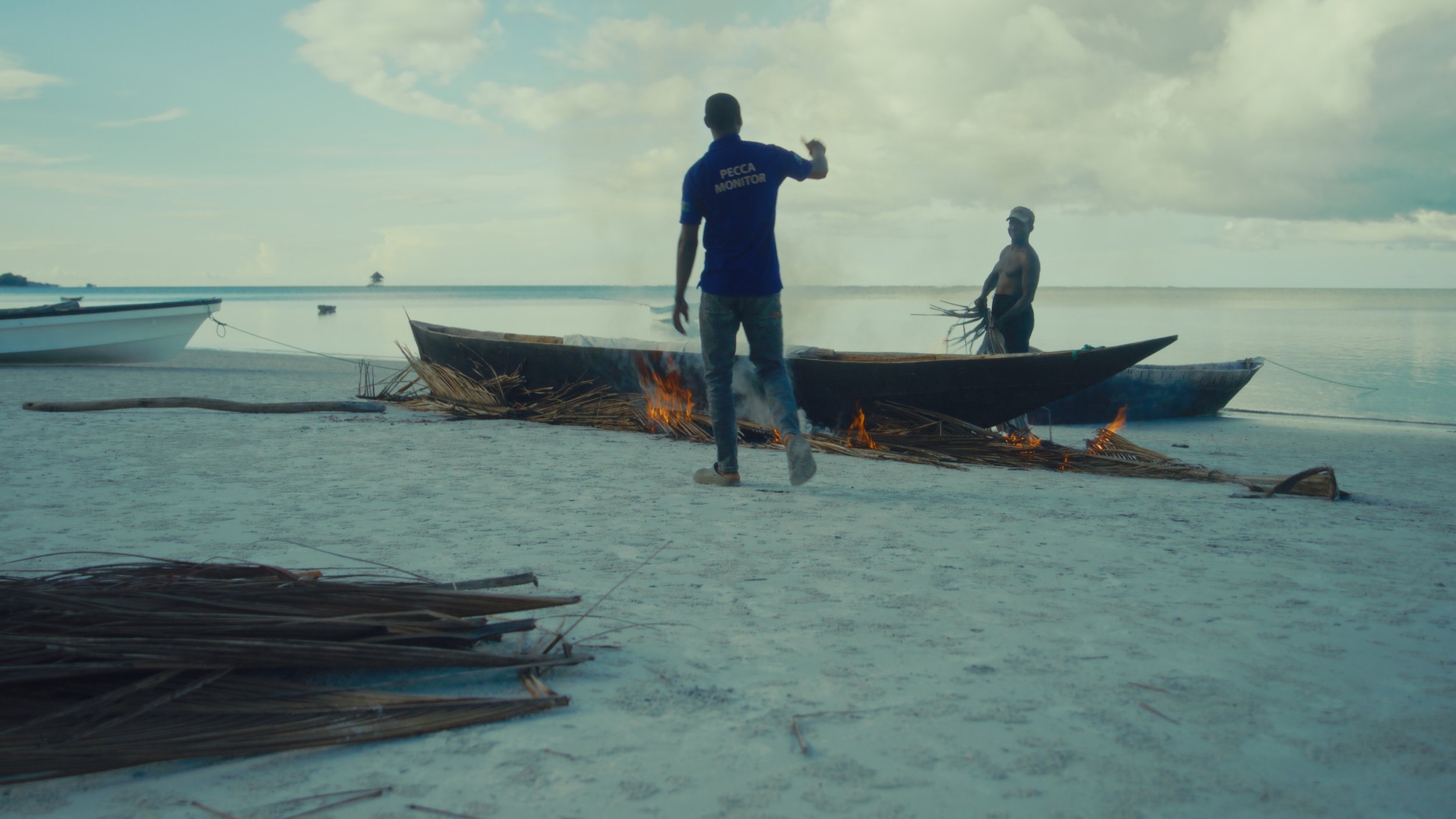
Blue Alliance rangers moving through the channel. We follow them into a real encounter with fishermen in a no-take zone. What unfolds is not policing. It is a conversation between people who come from the same community, about why the boundaries exist and what is at risk if they disappear. The rangers are from this island. The fishermen are from this island. That is what makes the scene.
The People Speak
Fishermen and community members who have watched the fish stocks change under marine management. People who have seen the difference. First-person accounts, unscripted, in their own language.
The Island Itself
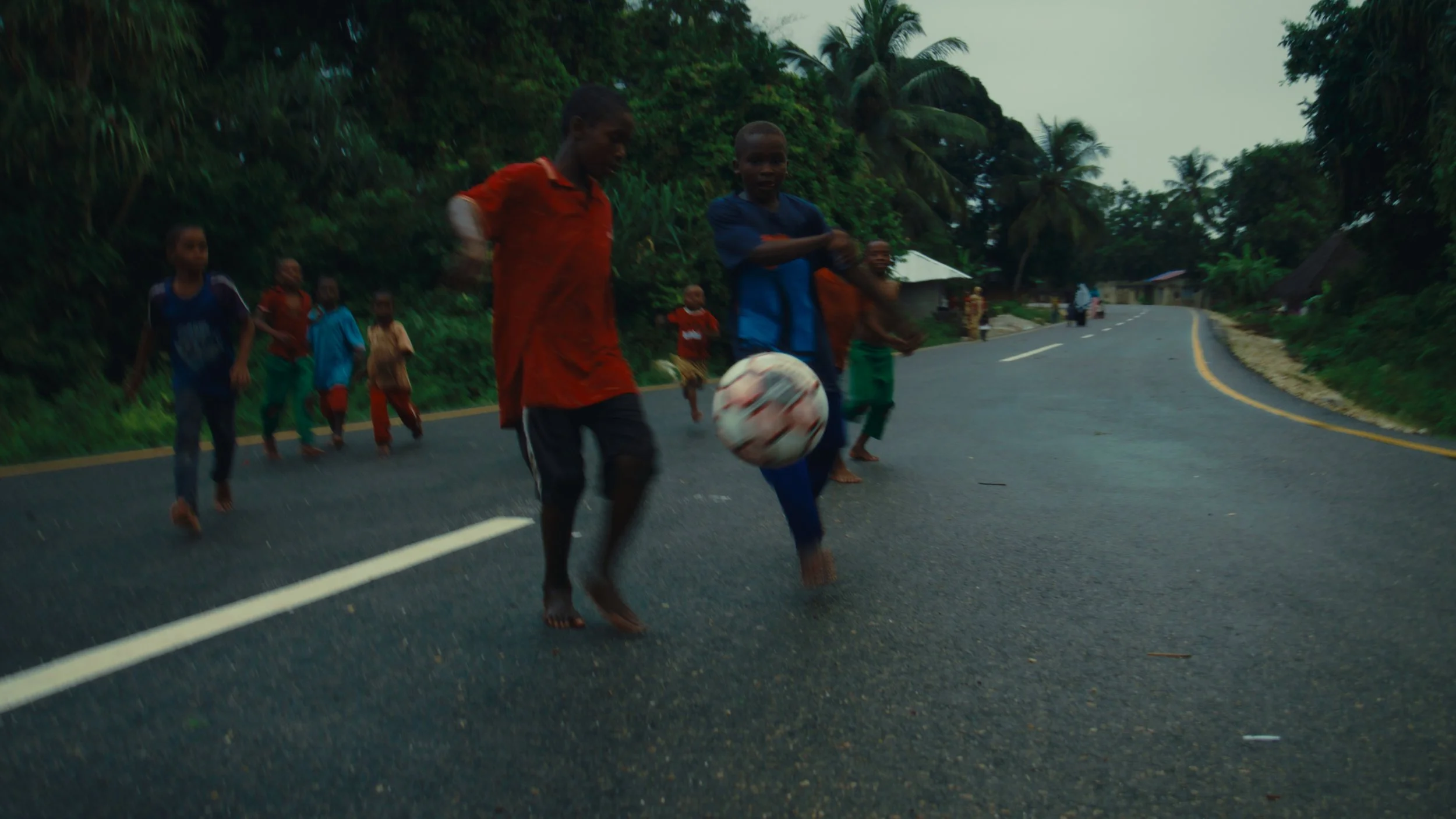
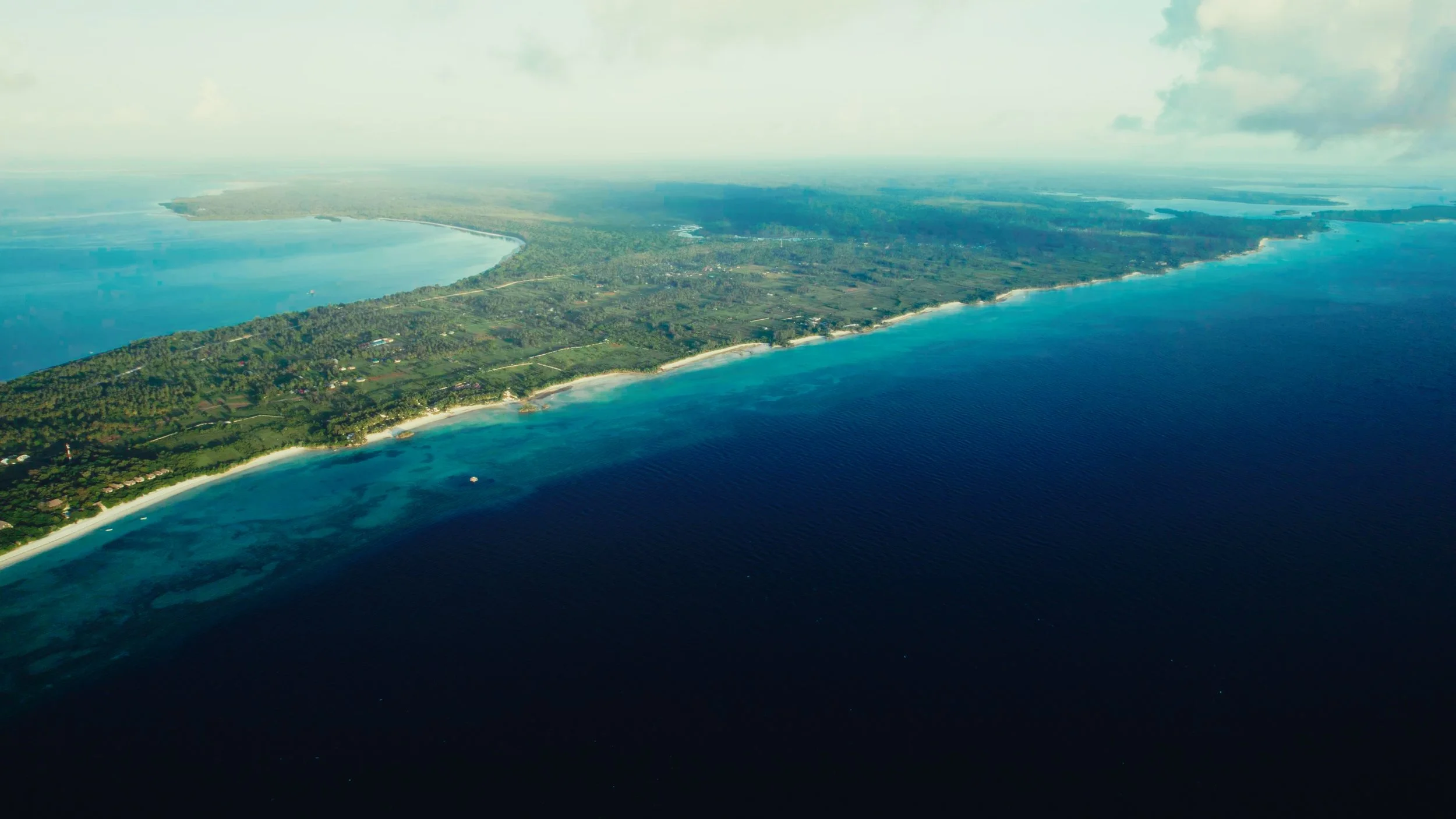
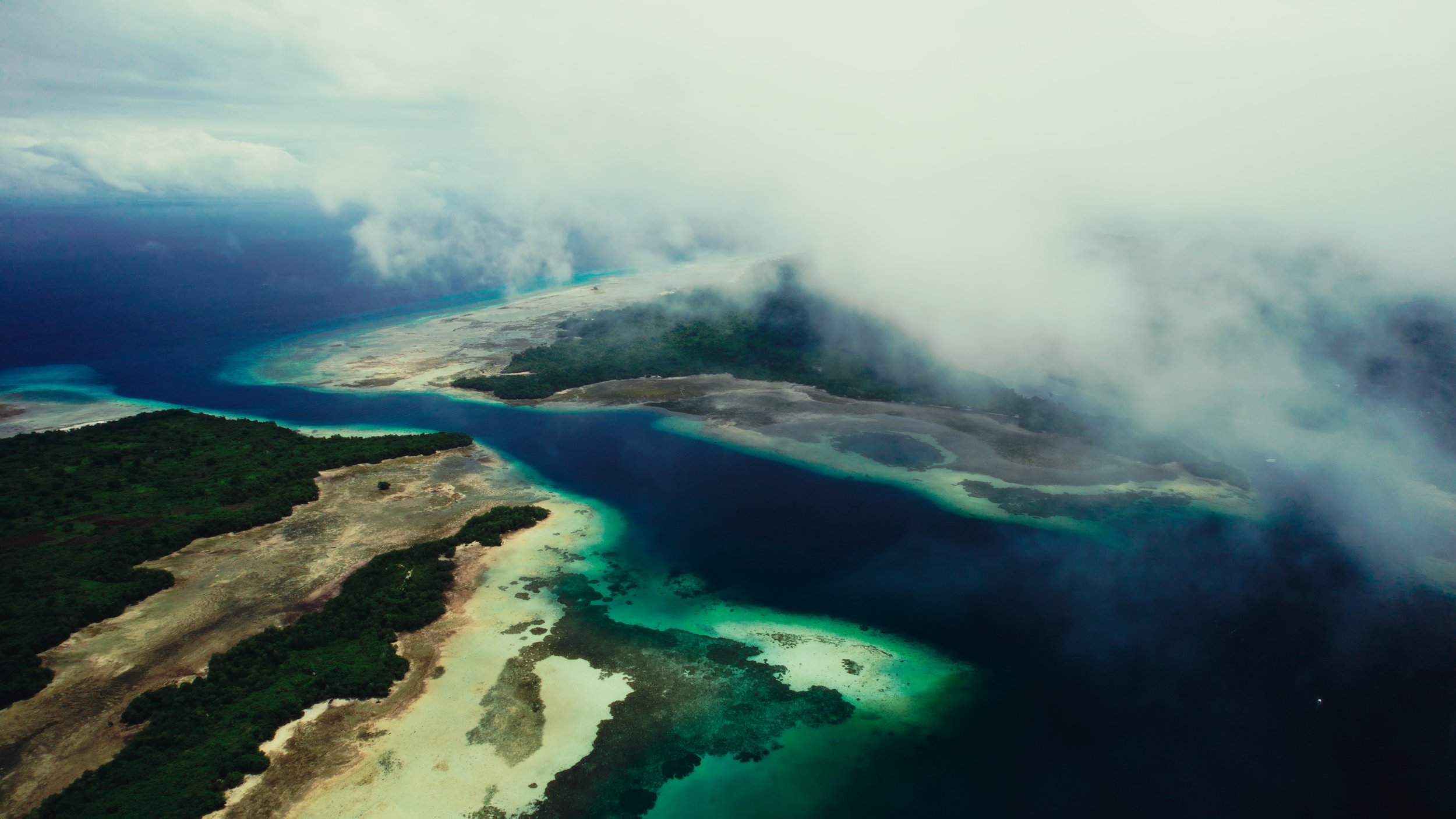
Football in the village. Market life. Children. The energy and liveliness of rural Pemba, not a community in crisis, but a living place with something worth protecting. Seagrass farming from the air, the full expanse of it visible from a drone in a way it never is from the shoreline. The ocean from above.